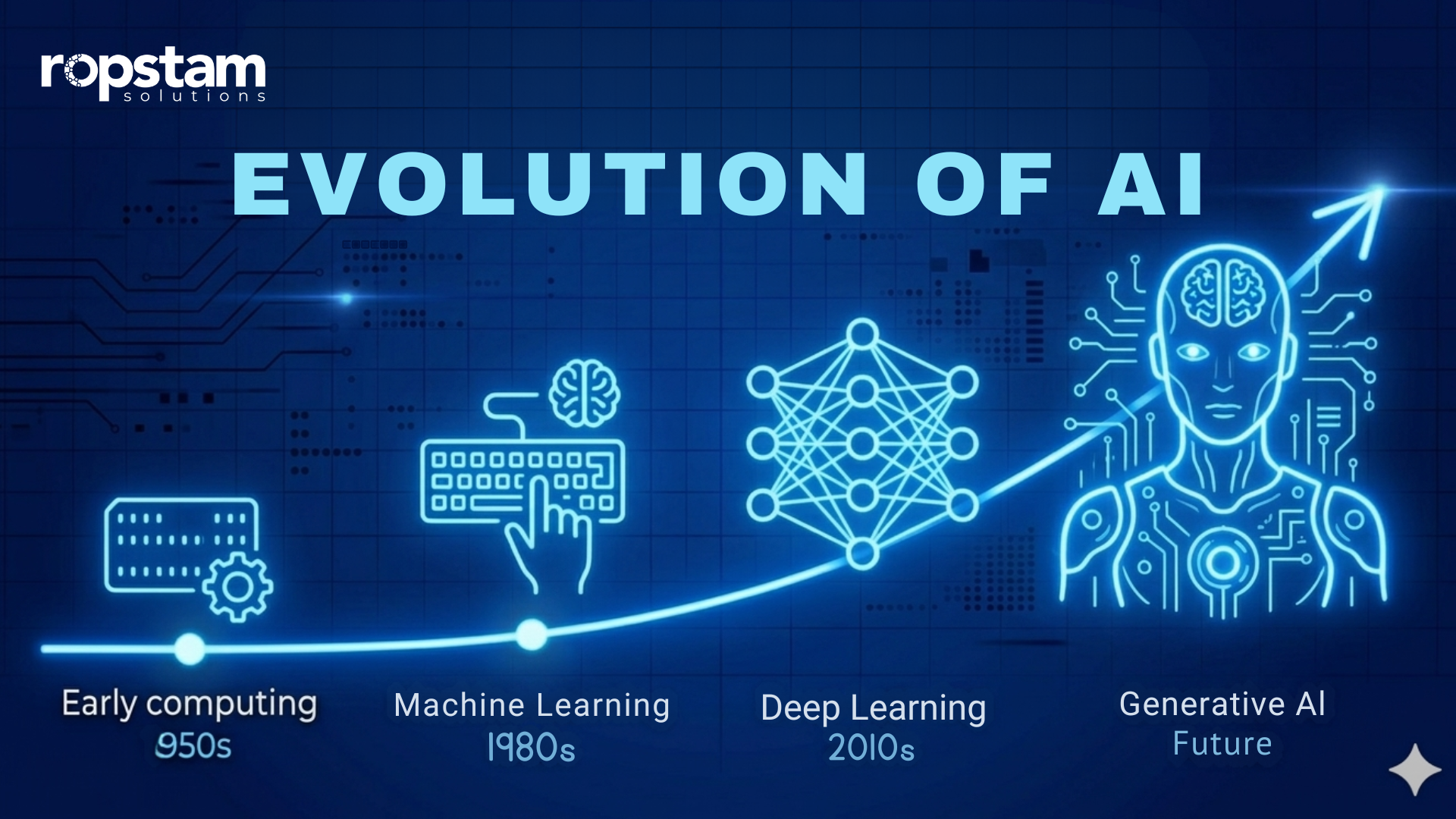

Artificial Intelligence and Machine Learning are no longer experimental technologies. From personalized shopping recommendations to predictive healthcare diagnostics, they power much of today’s digital world. However, with this widespread adoption comes a critical responsibility: ensuring that AI systems are ethical, fair, and transparent.
As organizations integrate AI into their software products, the question is not just about what AI can do but also how AI does it. Can the decision of a model be explained? Is the system free from bias? Will users trust its outcomes? Addressing these concerns forms the foundation of ethical AI/ML design.This blog explores how to design transparent, fair, and explainable AI models in software products. We will discuss bias detection, interpretability techniques, regulatory impacts, user trust, and practical tools that help developers build responsible AI systems.
Why Ethical AI Matters
AI can generate huge benefits, but it can also — if left to its own devices — enhance existing inequalities or set new risks in motion. Consider these examples:
- Recruitment platforms discriminate against some people without intending to based on biased training data.
- Medical algorithms that fail to include enough of the minority population, causing a misdiagnosis.
- Credit-scoring models that worsen financial inclusion for marginalised communities.
Such outcomes not only harm individuals but also erode trust in technology and expose businesses to legal and reputational risks. Ethical AI ensures that software products remain inclusive, trustworthy, and compliant with emerging regulations.
Core Principles of Ethical AI/ML
To design responsible AI systems, developers and product teams must embed these principles into their workflows:
- Fairness – Models should avoid bias against individuals or groups based on race, gender, age, or other protected attributes.
- Transparency – Users should know how AI systems make decisions, especially when those decisions affect their lives.
- Explainability – The inner workings of AI models should be interpretable by both technical teams and end-users.
- Accountability – Organizations must take responsibility for AI outcomes, not shift blame to “black box” systems.
- Compliance – Systems must follow global and local regulations, including data protection and AI governance laws.
Bias in Machine Learning Models
Bias in AI arises when training data or algorithms reflect historical inequalities or flawed assumptions. Common sources of bias include:
- Sampling bias – When datasets fail to represent the diversity of the real world.
- Label bias – When human judgment in labeling data introduces subjectivity.
- Algorithmic bias – When the mathematical structure of the model favors certain outcomes.
For instance, if a hiring algorithm is trained mostly on resumes from male applicants, it may inadvertently prioritize men over equally qualified women.
Strategies to Reduce Bias
- Use diverse and balanced datasets.
- Apply fairness metrics such as demographic parity or equal opportunity.
- Regularly audit models to detect biased outcomes.
- Include human oversight in sensitive decision-making.
By addressing bias proactively, organizations can ensure their AI systems serve all users fairly.
Explainability and Interpretability in AI
One of the biggest challenges in AI adoption is the “black box” problem. Many advanced ML models, especially deep learning networks, deliver high accuracy but are nearly impossible to interpret.
Why Explainability Matters
- User trust – People are more likely to trust systems when they understand why decisions were made.
- Regulatory compliance – Laws like the EU AI Act emphasize the right to explanation in automated decisions.
- Business accountability – Clear explanations protect organizations in case of disputes or audits.
Tools and Techniques for Explainability
Several methods can help developers interpret complex models:
- LIME (Local Interpretable Model-Agnostic Explanations): Explains individual predictions by approximating local decision boundaries.
- SHAP (SHapley Additive exPlanations): Provides a game-theory-based view of feature importance across predictions.
- Partial Dependence Plots (PDP): Visualize how individual features affect predictions.
- Counterfactual Explanations: Show users what changes in input would lead to a different outcome.
By incorporating these techniques, teams can strike a balance between accuracy and transparency.
Regulatory Impacts on Ethical AI
Governments worldwide are beginning to set clear expectations for AI systems:
- EU AI Act – Establishes risk categories for AI applications and requires transparency and fairness for high-risk use cases.
- GDPR (General Data Protection Regulation): Grants individuals the right to explanation when automated decisions impact them.
- U.S. AI Bill of Rights (Blueprint): Outlines principles for safe, effective, and rights-preserving AI systems.
For software companies, ignoring these regulations can lead to fines, lawsuits, and reputational damage. Ethical AI practices are not only morally sound—they are also a compliance necessity.
Building User Trust Through Ethical AI
Trust is the currency of modern digital products. If users suspect that AI is biased, opaque, or manipulative, they will quickly abandon the platform. Building trust requires:
- Clear communication – Explain when and how AI is being used.
- User control – Provide opt-out options where possible.
- Consistent monitoring – Regularly test models to ensure continued fairness and accuracy.
- Feedback loops – Allow users to challenge or appeal AI decisions.
When users feel respected and empowered, their trust in AI systems grows stronger.
Practical Tools for Ethical AI/ML
A growing ecosystem of tools supports ethical AI development:
- AI Fairness 360 (IBM): An open-source toolkit for detecting and mitigating bias.
- Fairlearn (Microsoft): Provides metrics and algorithms to assess and improve model fairness.
- Google’s What-If Tool: Visualizes how changes in input affect ML model predictions.
- InterpretML: Offers interpretability methods for both glass-box and black-box models.
- Responsible AI Dashboard (Azure): Combines fairness, interpretability, and error analysis tools in one interface.
Integrating these tools into the software development lifecycle ensures that fairness and explainability are not afterthoughts, but standard practice.
Best Practices for Designing Ethical AI in Software Products
To embed ethical AI principles into everyday workflows, organizations should:
- Start with ethical design thinking – Address fairness and transparency at the planning stage.
- Document model development – Keep records of data sources, assumptions, and testing.
- Involve multidisciplinary teams – Combine perspectives from engineers, ethicists, legal experts, and end-users.
- Test with real users – Conduct usability studies to see if explanations are clear and actionable.
- Implement continuous monitoring – Track model performance to catch drift or emerging biases.
By following these best practices, companies can align their AI systems with both user expectations and regulatory standards.
Looking Ahead: The Future of Ethical AI
The journey toward responsible AI is ongoing. As AI capabilities expand, so too will the ethical challenges. Future trends include:
- Stronger global regulations requiring mandatory explainability and bias audits.
- Integration of AI ethics into product roadmaps, not just compliance checklists.
- Advances in explainable deep learning, bridging the gap between accuracy and transparency.
- Growing user demand for companies that prioritize responsible technology.
Organizations that embrace these trends early will gain a competitive edge—earning trust, avoiding risks, and building software products that are both innovative and responsible.
Conclusion
AI that is ethical is no longer a choice; it is an attribute of reliable software. By creating intelligible, equitable, and understandable models, businesses can make sure that their AI technologies are not merely capable but also accountable. From minimizing bias and maximizing interpretability to remaining compliant with regulations and gaining user trust, the journey towards ethical AI takes a thoughtful, systematic approach. By having the proper principles, tools, and practices in place, developers can create AI/ML products that serve businesses, honor individuals, and create a future where technology serves all. Ultimately, ethical AI is better AI—and the companies that understand this will be at the forefront of a rapidly changing digital age.