
As businesses grow, so do their digital needs. More users, more data, more activity — and higher expectations for speed and reliability. This is where scalable web applications become essential. When built correctly, these applications support thousands of users simultaneously, handle complex roles and permissions, and provide real-time tracking without slowing down. Whether it’s an e-commerce dashboard, a learning platform, or a logistics system, scalability is what keeps everything running smoothly.
Today, companies no longer want simple websites. They want platforms that can grow with them — systems with multi-user functionality, live analytics, and organized dashboards that allow teams to work without confusion. For software development agencies, this shift means designing more innovative architectures, focusing on performance, and using tools that ensure long-term stability.
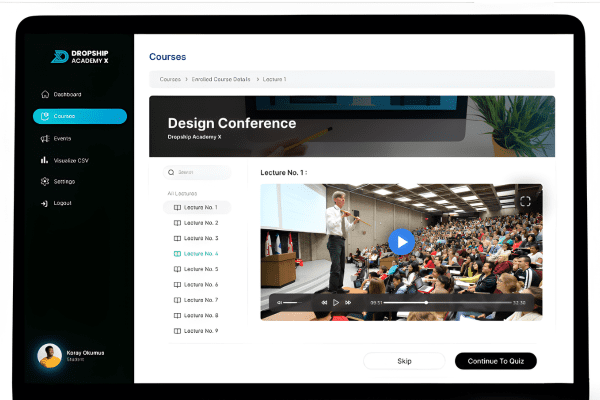
One strong example of this is seen in many modern business solutions, including complex training and tracking platforms. An excellent reference is the Dropship Academy Case Study, which shows how layered roles, dashboards, and performance tracking helped deliver a smooth, high-value system.
This blog explains how to build scalable web applications, what features matter most, and why dashboards, roles, and real-time tracking are now essential for multi-user platforms.
Why Scalability Matters More Than Ever
Scalability means your application can grow without performance issues. Whether a platform has 100 users or 100,000, the experience should remain smooth.
1. Increased Traffic and Usage
Growing businesses experience unpredictable traffic. A scalable system adjusts automatically without downtime.
2. Heavy Data Processing
Multi-user platforms generate continuous data — analytics, activity logs, user sessions — which must be processed without delays.
3. Better Performance for All Users
No one wants slow dashboards or lagging features. Scalability ensures consistent speed.
4. Cost Efficiency
Instead of rebuilding the system later, scalability allows businesses to grow gradually while keeping costs predictable.
Core Features of Strong Multi-User Web Applications
1. Role-Based Access Control (RBAC)
Different users need different permissions. RBAC helps define clear access levels, avoiding confusion or unauthorized access.
Examples:
- Admins manage everything
- Managers monitor dashboards
- Users access their own data only
This structure keeps the platform safe, organized, and easy to manage.
2. Custom Dashboards for Each User Type
A powerful dashboard reduces workload and boosts clarity. Dashboards may include:
- Sales insights
- Course progress
- Orders and activity
- Performance charts
- Real-time notifications
Custom dashboards make the platform easier to use and improve decision-making.
3. Real-Time Tracking & Updates
Users expect instant updates. Real-time features include:
- Live activity logs
- Real-time course or progress tracking
- Live order or delivery updates
- Notification alerts
Technologies like WebSockets or Firebase allow live updates without refreshing the page.
4. Secure Authentication Systems
Security is a must for multi-user apps. Key elements:
- Two-factor authentication
- Encrypted passwords
- Session management
- Secure APIs
Security must grow with the app’s size.
Technical Foundations for Scalable Web Applications
1. Modular Architecture
Break the platform into small, independent modules (microservices). This improves maintenance and allows teams to scale specific parts without affecting the entire system.
2. Cloud Hosting & Auto-Scaling
Cloud platforms like AWS or Azure automatically scale resources based on user load. This prevents downtime and ensures uninterrupted service.
3. Optimized Databases
Databases must handle thousands of read/write operations per second.
Techniques include:
- Database indexing
- Read/write separation
- Caching using Redis
- Using NoSQL for flexibility
4. API-Driven Development
APIs make apps faster, modular, and easier to expand. They also support mobile integration and third-party tools.
5. Load Balancing
Load balancers distribute incoming traffic across multiple servers to prevent overload.
Building Dashboards that Support Scalability
Dashboards are the heart of multi-user tools. A well-designed dashboard:
- Shows summarized, valid data
- Loads fast
- Updates in real time
- Helps users take action quickly
- Key dashboard best practices:
- Clean UI with minimal clutter
- Charts and visual data
- Quick filters
- Activity logs
- User-specific visibility
Dashboards make complex data simple and help improve user experience.
Role Management for Smooth Collaboration
Role management isn’t only for security — it improves workflow.
Benefits include:
- Clear hierarchy
- Simplified task tracking
- Less confusion among teams
GSoundrole systems also make scaling easier because new users can be assigned predefined permissions instantly.
Real-Time Tracking: The Feature Users Love Most
Real-time tracking adds a layer of transparency and trust. Examples:
- Live student progress
- Real-time analytics
- Active user status
- Live order movement
- Task updates
- Real-time tracking makes apps feel modern and responsive.
Performance Optimization for Multi-User Platforms
To keep multi-user platforms responsive, developers use:
- Caching to speed up repeated processes
- Lazy loading for faster page loads
- CDN for quick content delivery
- Query optimization
Together, these techniques keep the platform fast even under heavy load.
Conclusion
Building scalable web applications is no longer optional — it is the foundation of every modern digital business. As companies grow, their platforms must support more users, more data, and more real-time activity without crashing or slowing down. Whether the system is for training, e-commerce, logistics, or operations, scalability ensures long-term success and smooth performance.
For software development agencies, scalable platforms offer a clear competitive advantage. Instead of delivering simple applications that need rebuilding after a few years, agencies can provide long-term solutions that evolve with the business. Features like dashboards, role-based access, and real-time tracking make the platform useful, practical, and easy for teams to adopt.
Dashboards help users understand information instantly, role management keeps everything secure and organized, and real-time tracking makes the system feel alive. These combined elements create a seamless experience where users can work confidently, and businesses can grow without fear of system breakdowns. Scalable architecture supports this growth by ensuring the system remains fast and stable — even when thousands of people use it at once.
Looking ahead, scalable web applications will only become more critical. Businesses will continue to expect flexibility, performance, and reliable technology that adapts to their changing needs. With the proper planning, design, and technical foundation, any company can build a platform that supports long-term growth and strong user engagement.
If your business or client needs a future-ready system with dashboards, roles, and real-time tracking, now is the perfect time to develop a scalable web application