


Mobile apps are everywhere. Yet, most of them disappear within months of launch. Many apps never reach their target audience. Others get downloads but fail to keep users engaged. If you are planning to build a mobile app, this reality can feel discouraging. However, understanding why apps fail is the first step toward building one that users truly love.
In today’s digital world, users expect speed, ease, and value. They uninstall apps quickly if they face problems. According to industry reports, a large number of apps are deleted within the first week. This shows that success is not just about launching an app. It is about solving a real problem and offering a smooth experience.
For businesses and startups, this is an important lesson. A well-built mobile app can increase brand trust, improve customer service, and drive growth. On the other hand, ignoring key factors can lead to Mobile App Fails, wasted budget, and lost opportunities. In this blog, we will explore the main reasons why apps fail and share practical steps to build an app that users actually enjoy using.
The Harsh Reality: Why Most Mobile Apps Fail
Before building a successful app, it is important to understand what goes wrong.
1. Lack of Clear Purpose
Many apps fail because they do not solve a real problem. Businesses often create apps because competitors have one. However, without a clear purpose, users see no reason to download or keep the app.
If your app does not offer value, it becomes part of the long list of Mobile App Fails. Therefore, always ask: What problem does this app solve? Who will benefit from it?
2. Poor User Experience
User experience is critical. If the design is confusing, users will leave. If the app takes too long to load, users will uninstall it.
A clean layout, simple navigation, and fast performance are essential. Moreover, users expect apps to work smoothly on all devices. Small issues can lead to frustration and negative reviews.
3. No Market Research
Building an app without research is risky. You must understand your target audience. What do they need? What apps do they already use? What features do they prefer?
Without research, you are guessing. As a result, many businesses invest in features that users do not care about.
4. Weak Marketing Strategy
Even the best app cannot succeed if no one knows about it. Many apps fail because they rely only on app store uploads.
Marketing should start before launch. Social media, email campaigns, and influencer support can create interest. Without proper promotion, your app may never reach its audience.
5. Ignoring Feedback and Updates
Launching the app is not the final step. It is only the beginning. Users expect regular updates and improvements.
When businesses ignore feedback, problems remain unsolved. Over time, this leads to user drop-off and contributes to more Mobile App Fails.
How to Build a Mobile App Users Actually Love
Now that we understand the common mistakes, let us focus on building success.
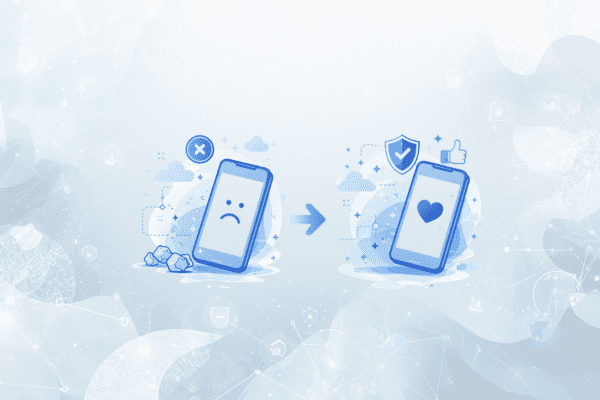
1. Start with a Clear Strategy
Before development begins, define your goals. Ask yourself:
What is the main purpose of the app?
Who is the target user?
How will the app generate value?
Create a clear roadmap. A strong plan reduces risks and increases confidence.
2. Focus on User-Centered Design
Users should feel comfortable from the first tap. Therefore, design must be simple and clean.
Keep buttons easy to find. Use clear labels. Avoid cluttered screens. Also, ensure that the app loads quickly and runs smoothly.
Test your design with real users. Their feedback can reveal hidden problems.
3. Build a Minimum Viable Product (MVP)
Instead of adding too many features, start with the essentials. An MVP allows you to launch faster and test your idea.
After launch, gather feedback. Then improve the app step by step. This approach saves money and reduces risk.
For example, when developing digital platforms, focusing on core features first can help ensure quality. You can explore one such case in detail through this project🙁Buzznog)
This case study shows how clear goals and user focus lead to better outcomes.
4. Prioritize Performance and Security
Users expect apps to be fast and secure. If the app crashes often, users will not return.
Therefore, conduct thorough testing. Check for bugs, speed issues, and compatibility across devices. Also, protect user data with proper security measures.
Trust is essential. Without it, even a good app can fail.
5. Plan a Strong Marketing Campaign
Start marketing before launch. Build excitement through social media, landing pages, and early sign-ups.
After launch, encourage users to leave reviews. Positive ratings improve visibility in app stores. Additionally, use paid ads to reach a wider audience.
Marketing should be ongoing, not a one-time effort.
6. Monitor and Improve Continuously
Use analytics tools to track user behavior. Identify where users drop off. Study which features they use most.
Then, make improvements based on data. Regular updates show users that you care.
This active approach prevents your app from becoming another case of Mobile App Fails.
The Role of a Professional Software Development Agency
Building a successful app requires technical skill and strategic thinking. A professional software development agency brings both.
First, agencies conduct market research and competitor analysis. Second, they design user-friendly interfaces. Third, they ensure quality testing and security.
Moreover, experienced teams understand how to balance business goals with user needs. This balance increases the chances of long-term success.
Partnering with experts can save time and reduce costly mistakes.
Conclusion
Mobile app success is not a matter of luck. It is the result of planning, research, and user focus. While many apps fail every year, the reasons behind these failures are clear and avoidable.
Most failures happen because businesses rush into development without understanding user needs. Others focus too much on design and ignore performance. Some forget marketing, while others fail to update the app after launch. All these mistakes contribute to the growing list of Mobile App Fails.
However, the solution is simple. Start with a clear purpose. Understand your audience. Build a simple and useful product first. Then improve it step by step. At the same time, invest in marketing and listen to feedback.
Success requires patience and consistency. When businesses focus on value and user satisfaction, they create apps that people enjoy using every day.
In addition, working with a skilled software development agency can make a big difference. Experts bring structure, experience, and technical knowledge. They help avoid common errors and guide your project toward growth.
In the end, building an app that users love is about solving real problems in a simple and reliable way. When your app makes life easier for users, success naturally follows.
FAQs
- Why do most mobile apps fail?
Most apps fail due to poor research, weak design, and lack of marketing. - How can I avoid mobile app failure?
Start with clear goals, focus on users, and improve regularly. - Is marketing important for app success?
Yes. Without marketing, even good apps may not reach users. - Should I launch with many features?
No. Start simple with an MVP and expand later.