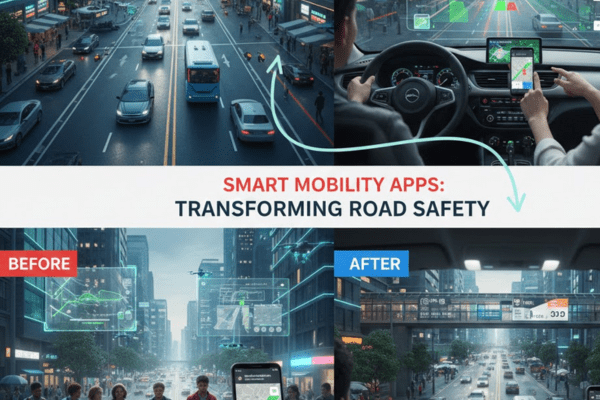
Road safety has always been a critical concern for drivers, authorities, and communities worldwide. With the rise of mobile technology, smart mobility apps are becoming powerful tools to improve driving behavior, reduce accidents, and ensure compliance with traffic regulations. These applications are not just GPS trackers—they offer predictive notifications, real-time data, and insights that can significantly reduce speeding violations and related fines.
Smart mobility apps help drivers make informed decisions while on the road. By monitoring vehicle speed, sending alerts about nearby speed cameras, and analyzing driving patterns, these platforms encourage safer driving habits. The benefits extend beyond individual drivers; traffic authorities can leverage aggregated data to identify high-risk areas, improve traffic management, and implement preventive measures.
For software development agencies, building these applications requires combining mobile and web technologies with real-time data processing, predictive analytics, and intuitive interfaces. A practical example of this is the SLO Speed Camera Companion case study, which highlights how smart mobility apps empower drivers while improving overall road safety. In this blog, we’ll explore how these apps work, their key features, architecture considerations, and why they are becoming essential tools for safer roads.
What Are Smart Mobility Apps?
Smart mobility apps are software platforms designed to enhance transportation safety and efficiency. These applications use real-time GPS data, vehicle sensors, and predictive algorithms to provide drivers with actionable insights. Features typically include:
- Speed monitoring and alerts
- Notifications about speed cameras or traffic violations
- Driving pattern analysis and recommendations
- Integration with navigation systems
- Real-time traffic updates
By turning vehicles into connected nodes, smart mobility apps help drivers stay alert, avoid fines, and reduce accidents.
Core Features of Smart Mobility Apps
1. Real-Time Speed Monitoring
Apps continuously track vehicle speed using GPS data. Drivers receive alerts when approaching speed limits, reducing accidental violations and promoting safer driving.
2. Predictive Notifications
Using historical and real-time data, apps can predict high-risk zones and notify drivers in advance. This proactive approach helps prevent violations before they happen.
3. User-Friendly Dashboards
Clear dashboards display driving patterns, speed trends, and safety scores. Drivers can easily understand their performance and improve gradually.
4. Integration with Traffic Systems
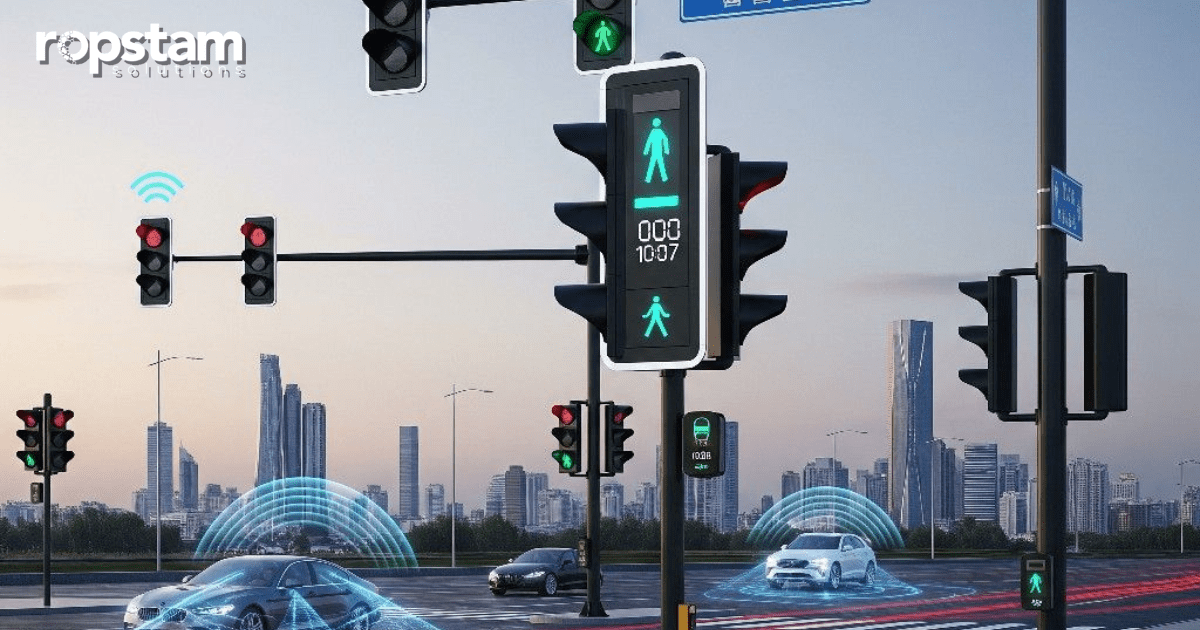
Apps can integrate with city traffic data, road conditions, and smart sensors to provide accurate, real-time insights for safer navigation.
5. Cloud Connectivity and Data Analytics
Cloud platforms store and analyze large amounts of driving data, enabling long-term insights, trend analysis, and predictive models for improving road safety.
Technical Architecture Considerations
Developing a smart mobility app requires careful architectural planning:
- Frontend: Mobile-friendly UI with intuitive dashboards and alerts (React Native, Flutter)
- Backend: Real-time APIs and data processing engines (Node.js, Python Django)
- Database: Combination of relational databases (PostgreSQL, MySQL) and NoSQL for analytics
- Cloud Services: AWS, Azure, or Google Cloud for scalable storage and computing
- Security: Encrypted data transfer, secure authentication, and role-based access control
Real-time processing and predictive analytics are essential for delivering timely notifications and insights. The system must handle frequent GPS updates, process them efficiently, and provide instant feedback to users.
Benefits of Smart Mobility Apps
1. Safer Driving Behavior
By continuously monitoring driving patterns and providing actionable alerts, these apps encourage responsible driving.
2. Reduced Fines and Violations
Predictive notifications help drivers avoid speeding tickets and other penalties, saving money and stress.
3. Better Traffic Management
Aggregated data from multiple users helps authorities analyze traffic patterns, identify accident-prone areas, and optimize road safety measures.
4. Enhanced User Engagement
Gamification and scoring features make driving safer a rewarding experience, encouraging long-term adoption.
5. Data-Driven Decision Making
Analytics from app usage can inform infrastructure planning, policy-making, and fleet management strategies.
Challenges and How to Overcome Them
1. GPS Accuracy Issues
GPS can be inaccurate in dense urban areas or tunnels. Combining GPS with sensor data or map matching algorithms can improve reliability.
2. Privacy Concerns
Tracking driver behavior raises privacy concerns. Ensure explicit user consent, anonymize data, and comply with regulations like GDPR.
3. User Adoption
Drivers may resist new apps. Focus on intuitive design, easy onboarding, and clear value propositions to encourage adoption.
4. Real-Time Data Processing
Handling frequent updates from thousands of users requires optimized backend infrastructure, caching, and load balancing for performance.
Future of Smart Mobility Apps
With AI and machine learning, future smart mobility apps will become even smarter. Predictive analytics could anticipate risky behavior, suggest safer routes, and integrate with autonomous vehicle systems. Connected vehicles, city IoT devices, and cloud computing will make road safety more proactive than reactive.
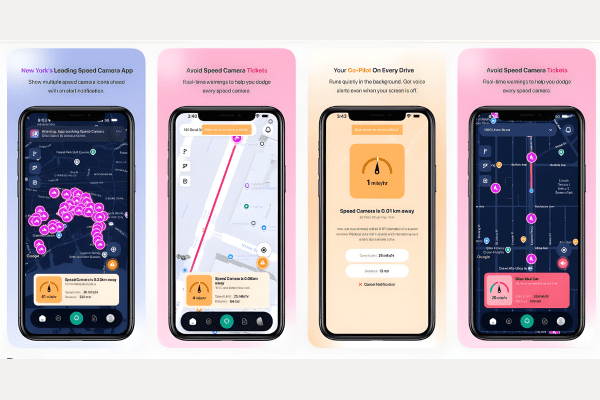
A great example of a smart mobility solution in action is the SLO Speed Camera Companion case study. It demonstrates how predictive notifications, real-time speed tracking, and intuitive dashboards can reduce speeding violations, improve driving habits, and enhance overall road safety. This case highlights how software agencies can deliver real-world, impactful solutions by combining mobile apps with cloud and data analytics.
Conclusion
Smart mobility apps are transforming the way drivers interact with roads, vehicles, and traffic systems. By providing real-time monitoring, predictive alerts, and actionable insights, these platforms empower drivers to make safer decisions and avoid costly penalties. The combination of cloud computing, mobile development, and AI-powered analytics ensures that these apps are reliable, scalable, and user-friendly.
For software development agencies, building such applications is both a challenge and an opportunity. They must ensure real-time performance, security, and privacy, while delivering a smooth, engaging user experience. Scalable architecture, intuitive dashboards, and predictive features are essential to meet user expectations and create lasting value.
Beyond individual benefits, smart mobility apps contribute to broader road safety initiatives. Aggregated data helps traffic authorities identify high-risk areas, plan better infrastructure, and implement preventive measures. Companies managing fleets can monitor driving behavior, reduce risks, and optimize operational efficiency.
The future of transportation is connected, data-driven, and proactive. By combining mobile technology, cloud platforms, and AI insights, smart mobility apps are not just tools—they are catalysts for safer roads, smarter driving, and more informed decision-making. Agencies that understand these dynamics and build robust, user-focused solutions can help businesses, authorities, and drivers embrace this safer, smarter future.
The rise of smart mobility apps marks a new era in road safety—where technology guides responsible driving and prevents violations before they happen.