

In today’s mobile-first world, companion mobile apps are more than just add-ons to central systems — they are powerful tools that enhance user engagement, extend service reach, and offer meaningful interactions on the go. Whether it’s a traffic-awareness tool, a fitness tracker, or an IoT device controller, scalable companion mobile apps are the backbone of modern digital products. But creating an app that remains fast, reliable, and user-friendly as it grows requires careful planning and execution.
For software development agencies, building a scalable companion app means thinking beyond the first release. Users expect smooth performance even as data grows, new features are added, and more people start using the app. If an app can’t handle growth, slowdowns, crashes, or poor experiences are likely to follow. This not only harms user satisfaction but also undermines the product’s long-term value.
In this blog, we’ll explore best practices for building scalable companion mobile apps — from technical architecture and performance strategies to UX design and maintenance planning. Whether you’re creating an app tied to hardware or a stand-alone tool that supports a larger platform, these guidelines will help you build a future-proof, efficient, and user-centered mobile experience.
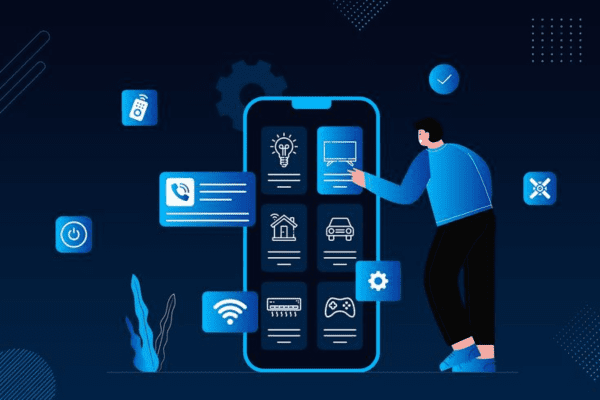
What Is Scalable Companion Mobile Apps?
Scalable companion mobile apps are applications that grow and adapt without losing performance or usability. Unlike simple mobile tools, these apps are built to support increasing data load, more connected devices, and additional features over time. They work alongside a central system — such as a web platform, cloud backend, or smart device — and enhance the overall user experience.
1. Design with Scalability in Mind
The foundation of scalable companion mobile apps starts with design. Before writing a line of code, consider how the app will evolve. Ask questions like:
- Will data grow over time?
- Will new features be added in the future?
- How many users will be using the app simultaneously?
Planning helps avoid major rework later. Create a road map that anticipates growth and includes key milestones for performance improvements.
2. Choose the Right Tech Stack
The technologies you choose determine how easily the app can scale. Here’s what to consider:
Cross-Platform Frameworks: Tools like Flutter and React Native allow you to build one codebase that works on both iOS and Android. This saves time and ensures consistent performance.
Modular Structure: Build the app in modules so features can be updated or replaced independently. This keeps the app flexible and easier to maintain.
Cloud Integration: Use cloud services like AWS or Firebase for storage, authentication, notifications, and analytics—cloud infrastructure scales automatically with demand.
3. Ensure Robust Data Management
Data is central to companion mobile apps. Whether it’s sensor data, speed alerts, user history, or preferences, apps must store and retrieve information efficiently.
Local Storage + Sync: Store essential data locally for quick access and sync with the backend when online. This improves reliability and performance.
Caching: Cache frequently accessed data to reduce server calls and speed up the user experience.
Efficient APIs: Design concise and optimized APIs so the app doesn’t request more data than needed.
4. Focus on Performance & Load Handling
Performance impacts user satisfaction more than almost anything else. Slow load times and crashes lead to frustrated users.
Lazy Loading: Load only what’s needed initially. Fetch additional data when the user needs it.
Async Operations: Run heavy processes in the background to keep the user interface responsive.
Monitor Load Times: Use tools to measure performance metrics and optimize parts where delays occur.
5. Plan for Real-Time Features
Many companion apps require real-time data — such as live notifications, location updates, or device status.
WebSockets or Push Notifications: Use technologies that support instant updates without constant polling.
Efficient Backend: Ensure your server can handle frequent requests and real-time messaging without delays.
6. Build with User Experience at the Center
Performance and design go hand in hand. A well-designed app makes users feel comfortable and confident.
Simple Navigation: Users should always know where they are and what to do next.
Clear Feedback: Show loading indicators, success messages, or error alerts so users don’t guess what’s happening.
Responsive UI: Ensure the app looks good on different screen sizes and resolutions.
7. Security and Privacy Best Practices
As apps collect more data and integrate with other systems, security becomes critical.
Encrypted Communication: Use HTTPS and secure tokens to protect user data.
Authentication & Authorization: Implement strong, secure sign-in options, such as OAuth or MFA, where applicable.
Privacy Policies: Be transparent about what data is collected and why.
For a practical approach to related mobile app development concerns, such as energy use, data handling, and eco-friendly considerations, check out our guide to sustainable mobile app development.
8. Testing for Scale
Testing is key before and after launch. Not all tests are equal:
Unit Testing: Check individual app components.
Integration Testing: Ensure different parts work together.
Load Testing: Simulate many users to see how the app reacts under pressure.
User Testing: Get feedback from real users to improve flows and features.
9. Monitor & Improve Continuously
After launch, ongoing monitoring ensures long-term success.
Crash Logs: Track errors to fix them quickly.
Analytics: Understand user behavior patterns and where improvements are needed.
Performance Metrics: Watch load times, API response times, and battery usage.
Benefits of Scalable Companion Mobile Apps
- Future-Proof: Ready for growth without major redevelopment.
- High Performance: Fast and responsive even as usage increases.
- Better User Retention: Users stay because the app works smoothly.
- Easier Maintenance: Modular and scalable code is easier to update.

Conclusion
Building scalable companion mobile apps isn’t just about writing code that works today — it’s about delivering reliable, future-ready mobile experiences that grow with user needs. When done correctly, scalable apps keep performance high, remain easy to manage, and provide consistent value to users even as data, features, and user numbers increase.
For software development agencies, this requires careful technical planning, a focus on architecture, and a deep understanding of user expectations. Scalability starts at the very beginning — from choosing the right technology stack to designing a modular structure and planning how data will be managed efficiently. Cloud integration and real-time capabilities ensure that apps can adapt to demand without slowdowns or crashes.
Performance optimization and intelligent data handling are key to keeping users happy. Users may abandon an app if it crashes often, loads slowly, or feels confusing. Focusing on responsive interfaces, quick feedback, and intuitive design helps ensure that users continue to engage and return. Security and privacy also play a critical role: as mobile apps collect more personal data, users expect secure storage, encrypted communication, and clear privacy policies. Apps that take these elements seriously build more trust and long-term engagement.
Ongoing testing and monitoring are part of the lifecycle. Load testing, crash reporting, analytics, and user feedback loops help teams refine and improve the app over time. Each update should make the app better — faster, more reliable, and more helpful.
Ultimately, scalable companion mobile apps enable businesses to deliver seamless experiences for users — whether they’re monitoring health data, tracking mobility, or interacting with connected devices. Agencies that follow best practices and deliver high-quality, scalable solutions position their clients for growth, user satisfaction, and long-term success in an increasingly mobile world.