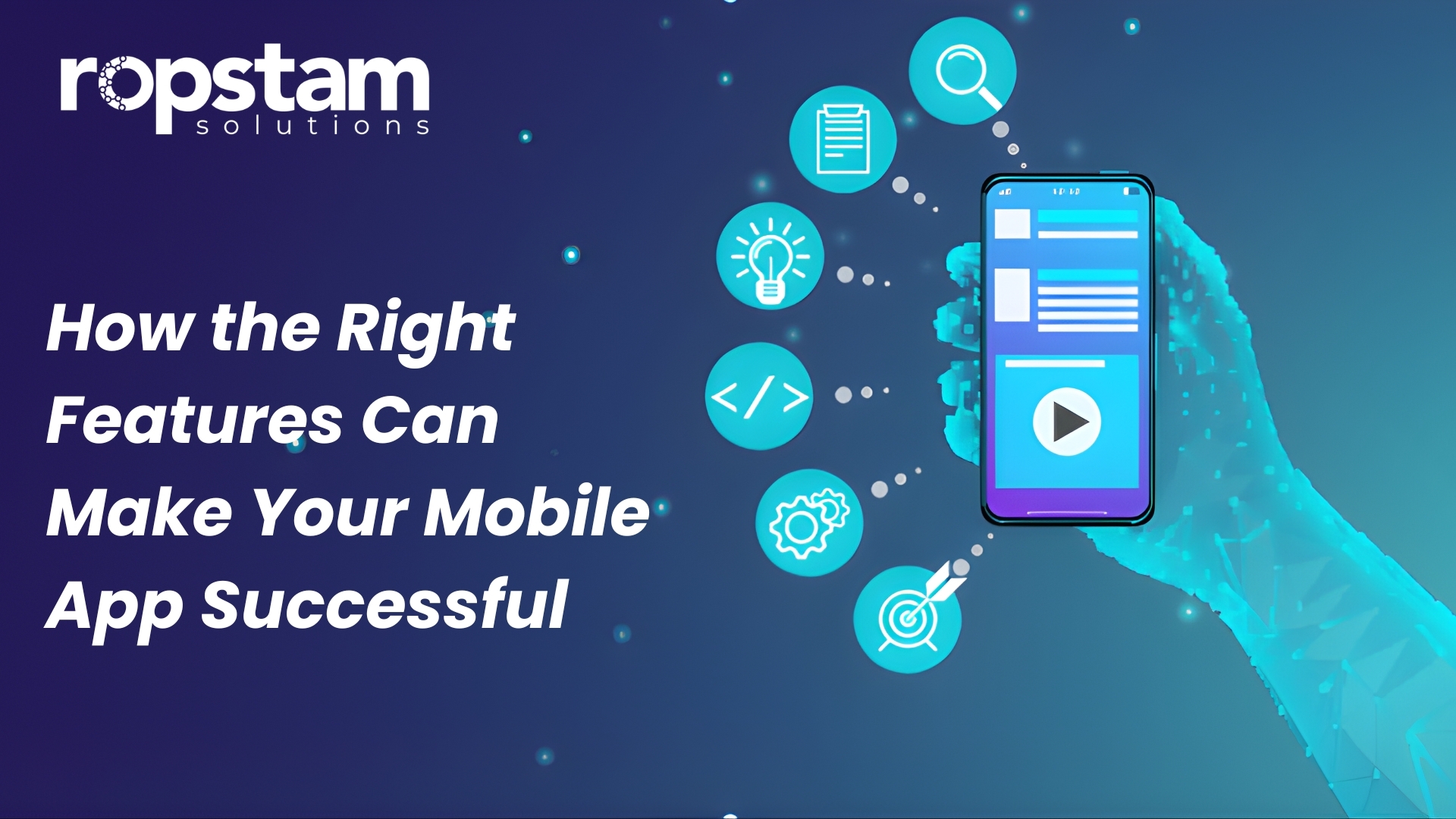
Mobile apps have become central to business growth and customer engagement. From shopping and banking to learning and entertainment, users now rely heavily on apps for everyday tasks. As technology evolves, so do expectations for faster, smarter, and more personalized experiences. This makes staying ahead of trends in mobile app development essential for businesses and software agencies alike.
In 2026, the mobile app landscape is set to change dramatically. Emerging technologies like artificial intelligence, augmented reality, and 5G connectivity will redefine how users interact with apps. Security and privacy will remain top priorities, with data protection shaping app design and functionality. Developers must also focus on cross-platform solutions, ensuring apps perform seamlessly on multiple devices without compromising speed or usability.
For software development agencies, understanding these trends is critical. Clients expect apps that are not only functional but also adaptive, secure, and user-friendly. By embracing the latest developments, agencies can deliver apps that enhance engagement, boost retention, and drive measurable results. This blog explores the key trends shaping mobile app development in 2026 and why businesses must adapt to stay competitive.
A practical example of how modern mobile app design and development can drive real business results is shown in our Lead Juice case study. The project highlights how thoughtful design, user‑focused features, and efficient development practices help create a compelling app experience that delivers measurable engagement and growth.
1. AI and Machine Learning Integration
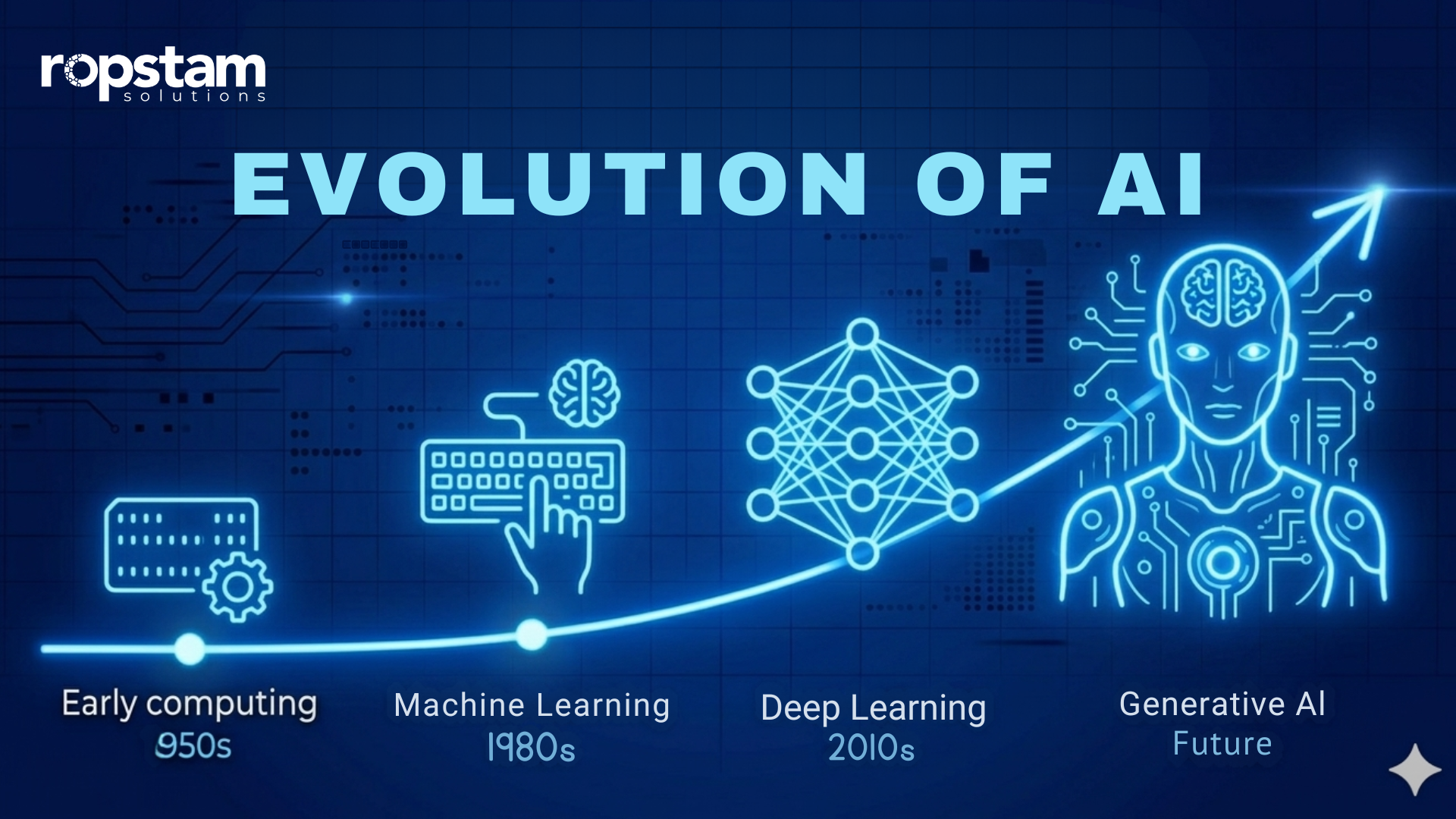
Artificial intelligence and machine learning are no longer optional—they are becoming standard in mobile apps. AI enables personalized experiences, predictive analytics, and intelligent recommendations. From chatbots providing instant support to apps predicting user behavior, AI enhances usability and engagement.
Machine learning models also improve app security by detecting unusual patterns and potential threats in real time, making apps safer for users.
2. Cross-Platform Development Dominance
Businesses increasingly demand apps that work across multiple platforms. Cross-platform frameworks like Flutter and React Native allow developers to build apps faster, reduce costs, and maintain consistent experiences on both iOS and Android.
This trend ensures businesses reach a wider audience without duplicating development efforts and accelerates the app release cycle.
3. 5G and High-Speed Connectivity
5G is transforming mobile experiences. With faster speeds, low latency, and high bandwidth, apps can deliver real-time interactions, richer graphics, and seamless video streaming.
Developers must design apps that leverage 5G to enhance gaming, AR/VR experiences, and IoT integration, creating smoother, more engaging user experiences.
4. Augmented Reality (AR) and Virtual Reality (VR)
AR and VR apps are gaining traction in retail, healthcare, education, and entertainment. From virtual try-ons to interactive training simulations, immersive technologies enhance user engagement and create unique experiences.
As devices become more powerful, developers can integrate AR/VR with AI and 5G to deliver advanced functionality, giving businesses a competitive edge.
5. Enhanced App Security and Privacy
Data protection remains a top concern. Users expect apps to safeguard personal information, comply with regulations, and provide transparency in data handling.
Features such as biometric authentication, end-to-end encryption, and privacy-first design are essential. Agencies building mobile apps must prioritize security at every stage of development.
6. Progressive Web Apps (PWAs) and Instant Apps
PWAs and instant apps bridge the gap between websites and native apps. They offer app-like experiences without requiring downloads, improving accessibility and engagement.
Businesses can reach users faster while reducing storage demands, increasing adoption, and keeping app maintenance manageable.
7. Voice-Activated Interfaces
Voice technology continues to grow in popularity. Apps that integrate voice commands and natural language processing provide hands-free convenience and faster interactions.
From searching content to performing transactions, voice-enabled apps improve accessibility and user satisfaction.
8. IoT Integration
IoT-connected apps are expanding across smart homes, wearable devices, and industrial applications. Mobile apps now act as control centers, collecting and analyzing data from IoT devices.
Agencies developing apps must ensure secure and seamless integration, supporting real-time monitoring and automated responses.
Conclusion
Mobile app development in 2026 will be driven by innovation, connectivity, and a focus on user trust. Artificial intelligence, machine learning, and immersive technologies like AR/VR are redefining what apps can do, offering personalized and engaging experiences. Cross-platform development and PWAs ensure businesses efficiently reach a broader audience, while 5G connectivity supports seamless real-time interactions.
Security and privacy remain critical. Users are more aware of data protection than ever before, making apps that prioritize secure authentication, encryption, and transparent practices essential for building trust. Voice interfaces, IoT integration, and instant apps will further enhance usability and accessibility, meeting evolving user expectations.
For software development agencies, staying ahead of these trends is no longer optional. Clients expect applications that are fast, secure, scalable, and user-friendly. Agencies that embrace these advancements deliver more than just apps—they provide solutions that enhance engagement, drive loyalty, and position businesses for success in a competitive market.
By understanding and implementing these 2026 trends, development teams can create mobile apps that are adaptive, innovative, and prepared for future technological shifts. Businesses that invest in these trends today will be better equipped to meet user demands tomorrow, ensuring that their digital presence remains strong and competitive.
In short, the future of mobile app development is bright, connected, and secure. Embracing these trends will allow businesses to deliver meaningful experiences and maintain customer trust in an increasingly digital world.
FAQs
- What are the key mobile app development trends for 2026?
AI, cross-platform apps, 5G, AR/VR, IoT, PWAs, and voice-enabled apps are the main trends. - Why is cross-platform development important?
It allows apps to run efficiently across multiple devices, reducing costs and development time. - How does AI improve mobile apps?
AI personalizes user experience, predicts behavior, and enhances app security. - Are PWAs replacing native apps?
They complement native apps by offering fast, app-like experiences without downloads. - Why is app security critical in 2026?
Users expect data protection, compliance, and safe digital interactions for trust and engagement.