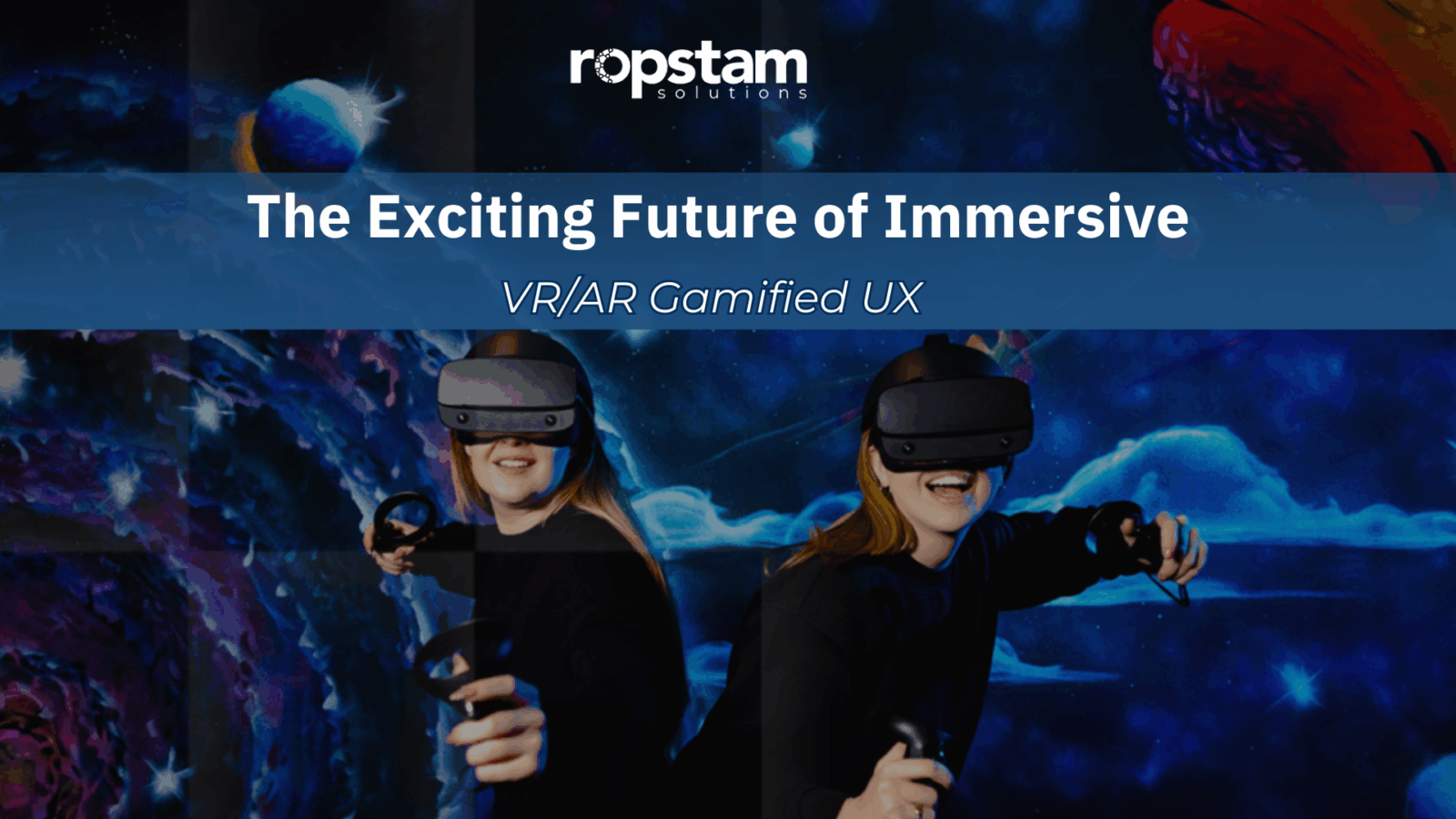
The emergence of virtual reality (VR) and augmented reality (AR) technologies is revolutionizing the way users interact with digital environments. These immersive technologies blur the line between the physical and virtual worlds, offering users more intuitive, engaging, and realistic experiences. When combined with gamification—the strategic use of game mechanics like points, badges, challenges, and rewards in non-game contexts—VR and AR become even more powerful. Together, they create environments that are not only interactive but also highly motivating and rewarding.
Gamified VR/AR user experiences (UX) enhance satisfaction, engagement, and retention by tapping into core human psychological drivers such as achievement, competition, and curiosity. By merging real-world activities with virtual tasks that provide instant feedback and meaningful goals, users are encouraged to explore, learn, and interact more deeply. Whether it’s in education, healthcare, retail, or entertainment, the fusion of gamification with VR/AR opens new possibilities for designing digital experiences that are both functional and fun.
In this blog, I’ll explore how gamification is shaping VR/AR user experiences, the key benefits it offers, the essential elements of a successful gamified interface, best practices for designers, and future trends that are likely to redefine the UX landscape.
Understanding VR/AR and Gamification
What is VR/AR?
Virtual Reality (VR) is a technology that creates an entirely immersive digital environment, allowing users to interact with a simulated world through specialized equipment like VR headsets, motion controllers, and haptic devices. By blocking out the physical world, VR transports users into a completely digital space where they can explore, train, play, or work in a fully interactive 3D setting. Whether it’s simulating a surgical operation, exploring a virtual museum, or navigating a video game, VR is designed to fully engage the senses for a truly immersive experience.
Augmented Reality (AR), on the other hand, overlays digital elements—such as text, images, sounds, or animations—onto the real-world environment. Unlike VR, AR does not replace the physical world but enhances it, usually through smartphones, tablets, smart glasses, or AR headsets. AR is commonly used in navigation apps, product visualizations, real-time translations, and interactive marketing campaigns. A popular example is Pokémon GO, where digital creatures appear in real-world surroundings.
What is Gamification?
Gamification involves integrating game-like mechanics—such as points, badges, leaderboards, levels, challenges, and rewards—into non-game environments. The goal is to increase user motivation, engagement, and enjoyment by tapping into the psychological drivers that make games so compelling. From fitness apps and learning platforms to employee training systems and customer loyalty programs, gamification is used across industries to encourage specific behaviors and improve user outcomes.
When gamification is combined with VR and AR, the result is a new level of user engagement. Users are not only immersed in a digital or hybrid environment but are also motivated to interact meaningfully with that environment through game-based incentives. This combination fosters more rewarding, memorable, and personalized experiences that keep users coming back.
Benefits of Gamified VR/AR UX
Integrating gamification into VR and AR environments brings a host of benefits that elevate user experience, making digital interactions more engaging, meaningful, and effective.
Enhanced User Engagement
Gamification taps into core psychological triggers such as competition, achievement, and reward-seeking behavior. When layered onto VR/AR platforms, these mechanics become even more powerful. Users are no longer just passive observers—they become active participants in dynamic environments.
Examples include:
- Interactive storytelling that places users at the center of a narrative.
- Real-time feedback that responds to user actions with visual or auditory cues.
- Dynamic challenges that adjust in difficulty to keep users motivated and immersed.
Improved Learning and Training
VR/AR gamification is transforming how people learn and retain information. By blending experiential learning with game mechanics, users gain hands-on experience in risk-free environments.
- Medical Training: Surgeons can repeatedly practice procedures in lifelike VR simulations, enhancing precision and confidence.
- Employee Onboarding: AR-guided walkthroughs combined with rewards and progress tracking improve knowledge retention and engagement in corporate settings.
Increased Brand Loyalty
Brands are using gamified AR experiences to build deeper relationships with their customers. For instance, interactive marketing campaigns inspired by games like Pokémon GO create memorable user experiences that encourage repeated engagement and emotional connection to the brand.
Better Data Collection and Personalization
Gamified VR/AR systems naturally collect user behavior data, such as interaction patterns, preferences, and completion rates. This enables businesses to personalize experiences, refine product design, and enhance decision-making based on real-time analytics.
Key Elements of Successful Gamified VR/AR UX
Designing a successful gamified experience in VR/AR requires a thoughtful blend of gameplay mechanics, immersive design, and user-centered interaction. Here are the essential elements that make these experiences impactful:
Clear Objectives and Rewards
Setting clear, achievable goals gives users a sense of purpose. Whether it’s completing a task, reaching a level, or earning points, these objectives keep users focused. Meaningful rewards like virtual badges, unlockable content, or exclusive access further enhance motivation and encourage continued participation.
Intuitive Navigation and Controls
In immersive environments, natural interaction is crucial. Features like hand tracking, gesture control, or voice commands make navigation feel seamless. Designers should avoid overwhelming users with complex mechanics that disrupt flow or cause frustration.
Immersive Storytelling
A strong narrative can transform a standard task into an exciting journey. Story-driven elements—like progressive missions or role-play scenarios—keep users emotionally invested. A great example is a VR escape room, where players solve puzzles through story progression.
Social Interaction
Gamified VR/AR thrives on community. Multiplayer games, AR scavenger hunts, and team-based challenges promote cooperation, competition, and shared goals, enhancing the overall user experience.
Real-Time FeedbaCck
Immediate visual and audio cues such as achievement popups, progress bars, or sound effects provide positive reinforcement. These elements keep users informed, motivated, and engaged throughout the experience.
Best Practices for Designing Gamified VR/AR UX
Creating an effective gamified experience in VR/AR goes beyond aesthetics and functionality—it requires careful attention to user comfort, engagement, and performance. Here are some best practices to guide your design process:
Prioritize User Comfort
Comfort is crucial in immersive environments. In VR, avoid abrupt camera movements and use smooth transitions to reduce motion sickness. Incorporate grounding elements like a static horizon to maintain spatial orientation. For AR, ensure that digital overlays remain stable and optimize for varying lighting conditions to maintain visual clarity and accuracy.
Balance Challenge and Skill Level
An effective gamified experience keeps users in a state of flow—where tasks are neither too easy nor overwhelmingly difficult. Use adaptive difficulty levels that respond to user performance to maintain engagement and prevent boredom or frustration.
Test and Iterate
User testing is essential for identifying usability issues and improving the overall experience. Conduct multiple testing rounds with diverse users to gather feedback on game mechanics, controls, and overall satisfaction. Iterate based on insights.
Optimize for Performance
Lag or slow load times can disrupt immersion. Ensure seamless performance by optimizing asset sizes, reducing latency, and testing on target devices. A fast, responsive experience significantly enhances user satisfaction.
Future Trends in VR/AR Gamified UX
1. AI-Driven Personalization
AI will tailor experiences based on user preferences and behavior.
2. Metaverse Integration
Gamified VR/AR will play a key role in the evolving metaverse.
3. Haptic Feedback Advancements
Next-gen VR gloves and suits will enhance tactile immersion.
4. Wider Adoption in E-Commerce
AR try-ons and VR shopping gamification will redefine retail.
Conclusion
Gamified VR/AR UX represents the next frontier in digital interaction, blending immersive technology with engaging game mechanics. Businesses leveraging these strategies can enhance training, marketing, and customer experiences while staying ahead in a competitive landscape.
By following best practices and staying updated on emerging trends, designers and developers can create compelling, user-friendly VR/AR gamified experiences that captivate audiences.