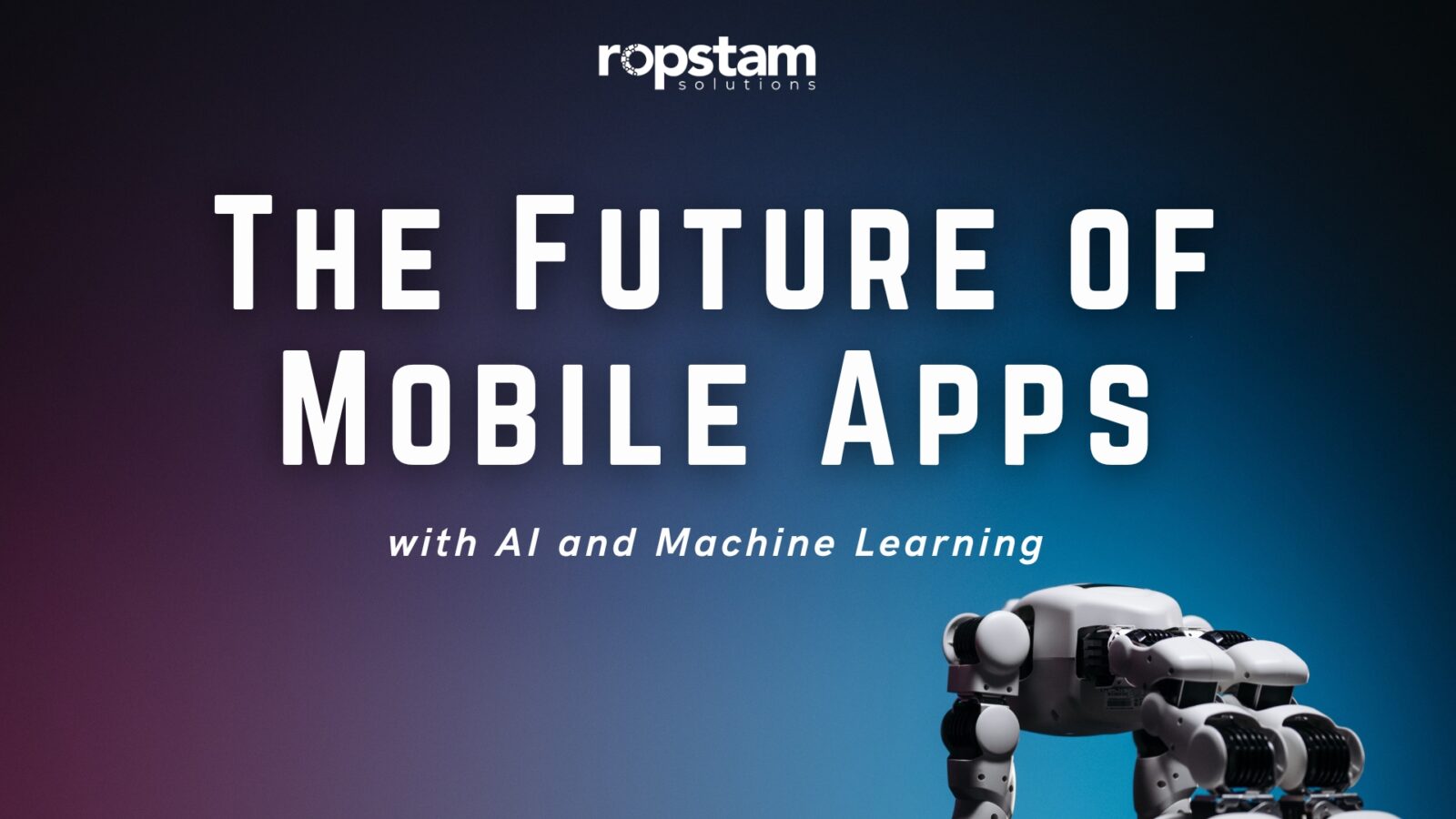
The mobile app landscape is undergoing a dramatic transformation, and at the heart of this change lies Artificial Intelligence (AI) and Machine Learning (ML). Once considered futuristic, these technologies are now embedded into everyday applications, influencing how we shop, work, travel, and connect. Modern users no longer settle for apps that merely function; they expect them to anticipate their needs, personalize experiences, and provide seamless convenience. Consider how Netflix recommends shows, Spotify curates playlists, or Uber predicts ride demand—these are all powered by AI and ML. The expectations shaped by these global giants have set a new standard for all mobile applications, whether designed for entertainment, healthcare, finance, or education. Businesses of every size now face the challenge of integrating intelligence into their apps to remain competitive in an increasingly digital-first economy.
This blog explores how AI and ML are redefining the future of mobile apps, the opportunities and challenges they bring, and why partnering with a skilled software development agency is critical. By understanding this shift, organizations can prepare to deliver smarter, faster, and more human mobile experiences that align with evolving customer demands.
The Rise of AI and ML in Mobile Apps
AI and ML are no longer futuristic concepts—they are everyday realities. Applications like Netflix, Spotify, and Uber already leverage these technologies to deliver highly personalized user experiences. At the same time, small and medium businesses are embracing AI-powered features to remain competitive. Three factors fuel the rise in adoption:
- Data Availability – With billions of mobile users generating data every second, businesses have access to rich insights.
- Processing Power – Advances in cloud computing and mobile processors make it possible to run complex algorithms on handheld devices.
User Expectations – Modern users demand convenience, personalization, and speed—all of which AI and ML can deliver.
Key Applications of AI and ML in Mobile Apps
1. Personalized User Experiences AI algorithms analyze user behavior to recommend products, music, movies, or even articles tailored to individual preferences. Consider how e-commerce apps suggest items based on browsing history, or how streaming platforms curate playlists.
2. Voice Recognition and Virtual Assistants Virtual assistants like Siri, Alexa, and Google Assistant rely on AI-driven natural language processing (NLP). Integrating similar capabilities into apps enables users to interact hands-free, making applications more accessible and efficient.
3. Predictive Analytics ML models can forecast future user behavior. For instance, fintech apps predict spending patterns, while health apps anticipate activity levels, encouraging users to stay on track with their goals.
4. Image and Facial Recognition From unlocking phones with Face ID to tagging friends in photos, image recognition has become mainstream. Retail and beauty apps are using this technology for virtual try-ons, while security apps deploy it for fraud detection.
5. Real-Time Translation Language barriers are breaking down thanks to AI. Apps like Google Translate provide real-time translation, helping businesses connect with global audiences seamlessly.
6. Chatbots and Customer Support AI-powered chatbots offer round-the-clock assistance, answering FAQs, resolving issues, and even processing transactions. This reduces costs for businesses and enhances customer satisfaction.
Benefits of AI and ML in Mobile Apps
- Enhanced Personalization – Users receive content and services tailored to their interests.
- Improved Engagement – Intelligent features keep users active and loyal.
- Operational Efficiency – Businesses save time and resources with automated processes.
- Data-Driven Insights – Companies can make informed decisions using real-time analytics.
- Security and Fraud Prevention – AI models detect anomalies faster than traditional systems.
Challenges in Implementing AI and ML
While opportunities are vast, businesses must also navigate challenges:
- Data Privacy: Collecting and processing user data raises concerns about compliance with regulations like GDPR.
- Complexity: Developing AI-powered apps requires specialized skills and infrastructure.
- Costs: High initial investment in technology and expertise can deter smaller businesses.
- User Trust: Over-reliance on automation without transparency may make users skeptical.
The Future Outlook: Where Are We Headed?
The integration of AI and ML in mobile apps is only at the beginning. In the future, we can expect:
- Hyper-Personalization – Apps will adapt in real time, adjusting layouts, content, and functionality to suit individual user needs.
- AI-Powered Healthcare Apps – From early disease detection to mental health monitoring, mobile apps will transform healthcare accessibility.
- Smarter Financial Tools – Mobile banking and investment apps will provide predictive financial advice, not just transaction services.
- Augmented Reality (AR) + AI – Combining AI with AR will unlock immersive experiences in gaming, shopping, and education.
- Low-Code AI Integration – More platforms will enable businesses to embed AI features without heavy coding, reducing barriers to entry.
How Software Development Agencies Can Help
The path to building AI-powered mobile apps requires more than just coding—it demands expertise, research, and a user-first mindset. This is where a trusted software development agency becomes a strategic partner. Agencies can:
- Conduct market and user research to identify opportunities for AI features.
- Develop scalable AI architectures that grow with your business.
- Design intuitive user interfaces that integrate intelligence without overwhelming users.
- Ensure compliance with data protection laws and ethical AI practices.
- Provide ongoing support and updates as algorithms evolve and data expands.
By leveraging agency expertise, businesses can accelerate innovation while minimizing risks.
Conclusion
Mobile applications are no longer passive tools; they are evolving into intelligent companions that redefine how we interact with technology. The integration of AI and machine learning has already begun to set new standards for personalization, convenience, and security in mobile experiences. Businesses that recognize this shift and invest early in AI-powered apps will be better positioned to engage customers, streamline operations, and stand out in competitive markets.
Of course, this journey is not without challenges. Data privacy, development costs, and user trust are essential considerations. However, these hurdles can be overcome with careful planning and by partnering with the right software development agency. By combining technical expertise with a human-centered approach, agencies can ensure that AI and ML enhance rather than complicate the user experience. The future of mobile apps lies in intelligence, adaptability, and empathy. Companies that embrace AI and ML will not only deliver smarter products but will also forge deeper connections with their users. In a world where digital interactions shape brand loyalty, this is the ultimate competitive advantage.