Launching a digital product is not just about writing code. It is about making smart decisions early—decisions that save time, money, and effort. One of the most common points of confusion for startups and businesses is choosing between a prototype and an MVP. The debate around Prototype vs MVP often starts at the idea stage, yet many teams move forward without fully understanding the difference. Both a prototype and an MVP play an important role in product development, but they serve very different purposes. Choosing the wrong approach can lead to wasted resources, unclear feedback, and delayed launches.
On the other hand, choosing the right one helps teams test ideas faster, reduce risks, and build products users actually want. For software development agencies and growing businesses, this decision directly affects timelines, budgets, and long-term success. A prototype focuses on visual clarity and concept validation, while an MVP focuses on real-world use and measurable results. Understanding when and why to use each can shape the future of your product. In this guide, we will clearly explain what prototypes and MVPs are, how they differ, and why choosing the right approach matters. If you want a smoother product journey and better outcomes, this clarity is essential.
What Is a Prototype?
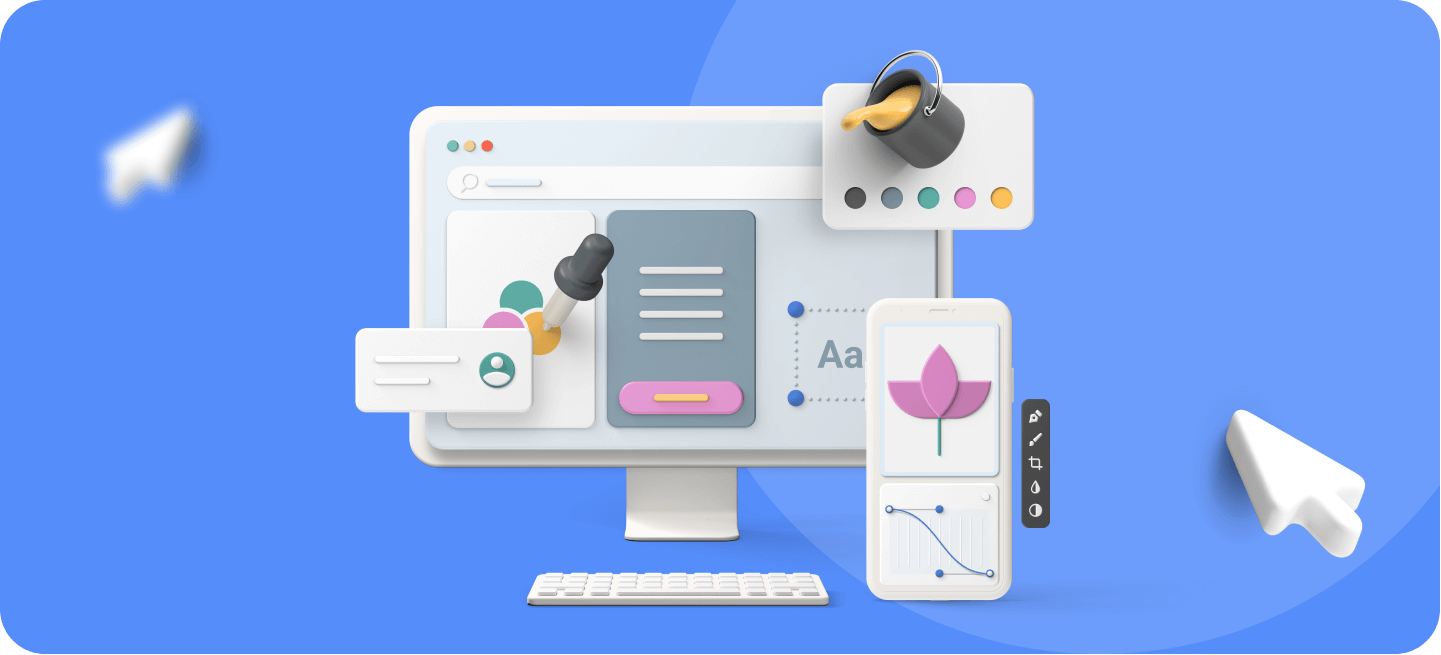
A prototype is an early visual version of a product. It shows how the product will look and how users might move through it. Prototypes are usually not fully functional. Instead, they focus on layout, flow, and basic interactions.
Purpose of a Prototype
- Visualize an idea clearly
- Test user flow and design concepts
- Gather early feedback from stakeholders
- Align teams before development starts
Prototypes are often used in meetings, pitches, and early user discussions. They help people understand the idea without building the actual product.
What Is an MVP?
An MVP, or Minimum Viable Product, is a working product with only essential features. It is built to solve one core problem and is released to real users for feedback.
Purpose of an MVP
- Test the product idea in real conditions
- Collect real user data and behavior
- Validate market demand
- Improve based on user feedback
An MVP is not a final product. It is a learning tool that helps teams decide what to build next.
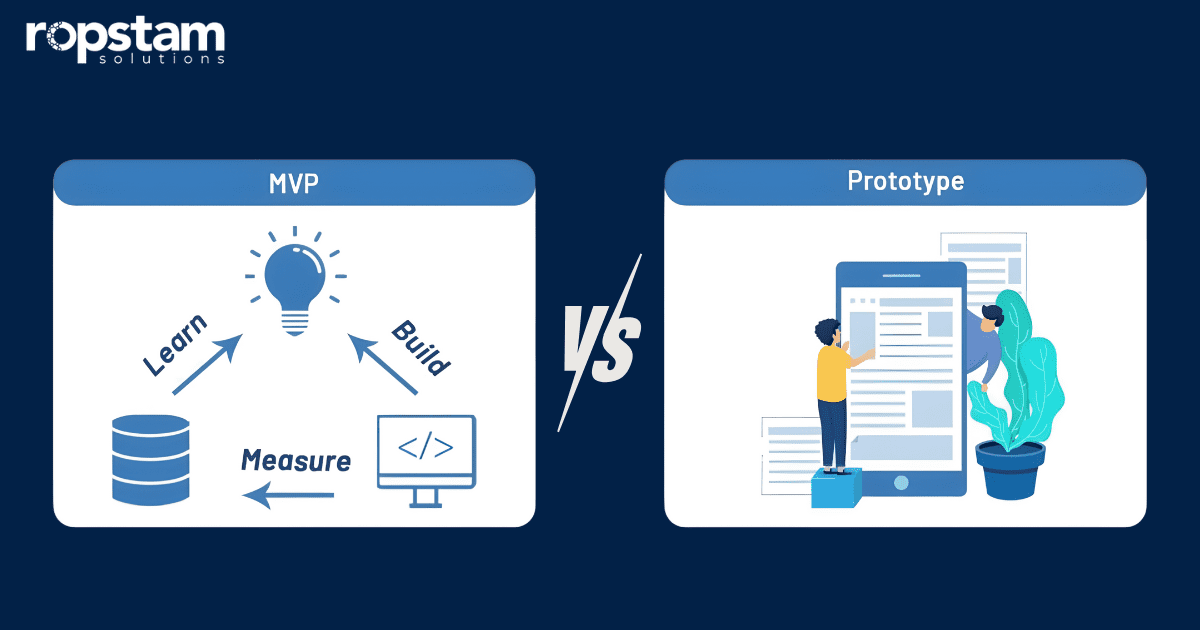
Prototype vs MVP: Key Differences Explained
Understanding the difference between a prototype and an MVP helps teams avoid confusion and poor decisions.
1. Functionality
- Prototype: Mostly visual, limited or no functionality
- MVP: Fully functional but limited in features
2. Users
- Prototype: Internal teams or selected reviewers
- MVP: Real users in the market
3. Goal
- Prototype: Validate design and concept
- MVP: Validate product value and demand
4. Cost and Time
- Prototype: Faster and less costly
- MVP: Requires more time and development effort
5. Feedback Type
- Prototype: Opinion-based feedback
- MVP: Data-driven feedback
When Should You Choose a Prototype?
A prototype is the right choice when:
- Your idea is still unclear
- You need to explain the concept to others
- Design and user flow need testing
- Budget is limited at the idea stage
Prototypes are ideal for early discussions and internal validation.
When Should You Choose an MVP?
An MVP works best when:
- The idea is already defined
- You want to test market demand
- You are ready to build real functionality
- Feedback from real users is required
An MVP helps turn assumptions into facts.
Why This Difference Matters for Businesses
Choosing between a prototype and an MVP impacts:
- Product timelines
- Development costs
- User satisfaction
- Investor confidence
Many product failures happen because teams rush into development without validation. Understanding Prototype vs MVP helps businesses move step by step instead of guessing.
For software development agencies, guiding clients through this choice builds trust and delivers better results.
How Ropstam Adds Value at Every Stage
At Ropstam, we do more than just build software. We help businesses make the right decisions before development begins. Our team works closely with you to understand your idea, goals, and market needs.
We guide you in deciding whether you need a prototype or an MVP, based on your product stage and business vision. Instead of rushing into development, we help you choose the approach that saves time and delivers real value.
Ropstam also helps define clear and achievable goals, ensuring everyone is aligned from day one. We focus on building scalable foundations, so your product can grow smoothly as your user base expands. By following proven development practices, we reduce technical risks and avoid costly rework.
This structured guidance ensures every step of your product journey supports long-term business growth—not just a quick launch.
Conclusion
Building a successful digital product is not about speed alone—it is about making the right decisions at the right time. Understanding the difference between a prototype and an MVP allows businesses to move forward with clarity and confidence. While both are important tools, they are not interchangeable.
A prototype helps you see your idea clearly before investing heavily. It brings teams together, aligns expectations, and highlights design issues early. An MVP, on the other hand, brings your idea into the real world. It shows how users interact with your product and whether your solution truly solves their problem.
The real value lies in knowing when to use each approach. Starting with a prototype can reduce confusion and save costs. Moving to an MVP at the right time helps validate demand and guide future development. Skipping steps or choosing the wrong path often leads to rework and delays.
For businesses and startups, this clarity means fewer risks and better outcomes. For software development agencies, it means delivering smarter solutions that support long-term success. The Prototype vs MVP decision is not technical—it is strategic.
When done right, both tools work together to shape products users trust and businesses can grow with confidence.