
Industry
Waste Management & Logistics
Features
> User authentication and Management
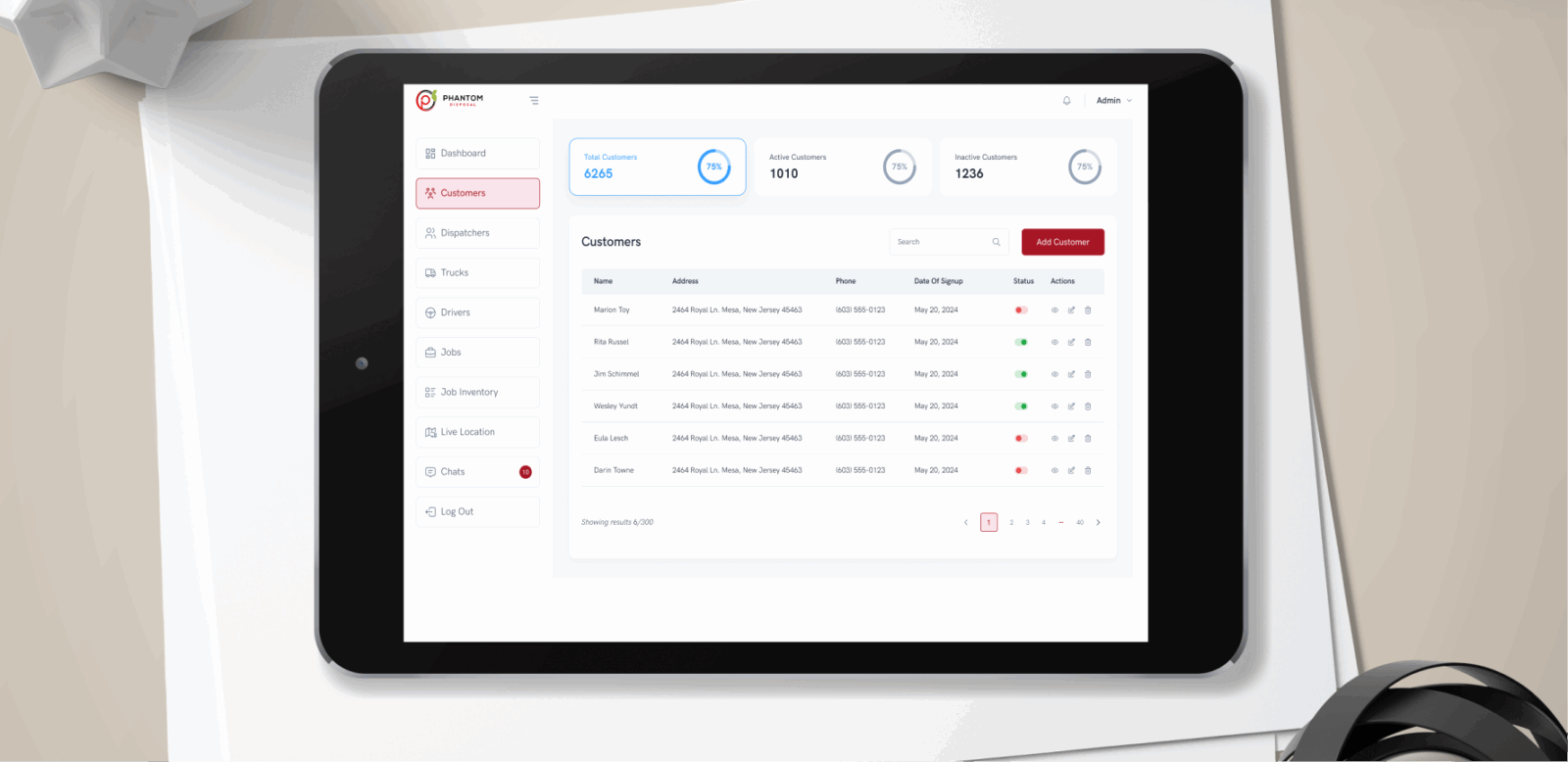
> Customer Management
> Dispatcher Management
> Driver Management
> Truck Management
> Internal communication via chat
> Push notifications
> Location Tracking
> Driver Role
> Dispatcher Role
> Admin Role:
Technology Stack
 ReactJS
 NodeJS
 MongoDB
 Firebase

About Phantom Disposal
A Smarter Approach to Waste Fleet Operations
Phantom Disposal, a growing Canadian junk removal company, built its reputation on quick pickups and environmentally responsible disposal. However, as operations scaled, managing dispatch, driver coordination, and job tracking through calls and manual processes became inefficient and error-prone.
Ropstam developed a comprehensive fleet and dispatch management platform that digitizes operations end-to-end. The solution enables real-time driver tracking, automated dispatching, attendance management, reporting, and seamless communication—accessible through both web portals and cross-platform mobile applications.
Deliverables
- Web Admin Panel (React.js): Centralized control for users, inventory, customers, reporting, and operations
- Dispatcher Portal (React.js): Live driver tracking, job assignment workflows, and communication tools
- Driver Mobile App (React Native): Job queue, navigation, real-time updates, attendance, and messaging
- Backend & APIs (Node.js + MongoDB): Scalable architecture with role-based access control
- Real-Time Engine (Socket.IO): Instant updates for jobs, location tracking, and chat
- Push Notifications (Firebase FCM): Immediate alerts for job assignments and communication
- UX/UI Design (Figma): Interactive prototypes with iterative client feedback
- QA & Deployment: App Store and Google Play submissions with production rollout
Timeline
- Core Development: 14 weeks
- Full Project Duration: May 2024 – May 2025
- Total Effort: 1,010+ billable hours
Team Composition
A cross-functional team including frontend, backend, mobile developers, UI/UX designers, and QA engineers.
The Challenge
Before implementation, Phantom Disposal faced several operational bottlenecks:
Lack of real-time visibility for dispatchers to track drivers
No structured job lifecycle management
Absence of a standardized driver workflow
Inconsistent background GPS tracking on mobile devices
Communication dependent on phone calls without records
Manual attendance tracking is impacting payroll accuracy
Limited reporting and operational insights
Need to support multiple roles with distinct workflows
The Solution
Ropstam designed a unified fleet management ecosystem integrating web and mobile platforms with real-time capabilities.
Core Components
- React. JS-based Admin and Dispatcher portals
- React Native mobile app for drivers (single codebase for iOS & Android)
- Node.js and MongoDB backend with RESTful APIs
- Real-time communication via Socket.IO
- Role-specific experiences for Admins, Dispatchers, and Drivers
A major technical achievement was implementing reliable background GPS tracking, ensuring continuous location updates even when the app runs in the background.
To bring the web app to fruition, Ropstam followed a strategic roadmap that included the implementation of the designed plan, the creation of the website, thorough testing, and a successful launch.
the Design
Development
Launching
Ropstam adopts a development approach characterized by collaboration, openness, and careful consideration.
Key Features

Role-Based Access Control

Real-Time Dispatch Management

Live GPS Tracking

Driver Mobile Experience

Attendance Management

Customer & Job Records

Asset Management

In-App Communication

Reporting & Analytics

Push Notifications
Core Technologies
- React.js
- Node.js
- MongoDB
- React Native (0.74)
- Redux Toolkit

Supporting Services
- Socket.IO
- Firebase Cloud Messaging (FCM)
- Google Maps API
- AWS Hosting
- Figma
Development Milestones
- M1 – UI/UX Design: May 17 – Jul 12, 2024 (140 hrs)
- M2 – UI Development: Jul 15 – Sep 24, 2024 (230 hrs)
- M3 – Backend Development: Aug 19 – Sep 20, 2024 (280 hrs)
- M4 – API Integration: Sep 23 – Oct 25, 2024 (280 hrs)
- M5 – QA & Launch Prep: Oct 28 – Nov 22, 2024 (80 hrs)
- M6 – Go Live: May 23 – May 30, 2025
Total: 1,010+ hours
Results
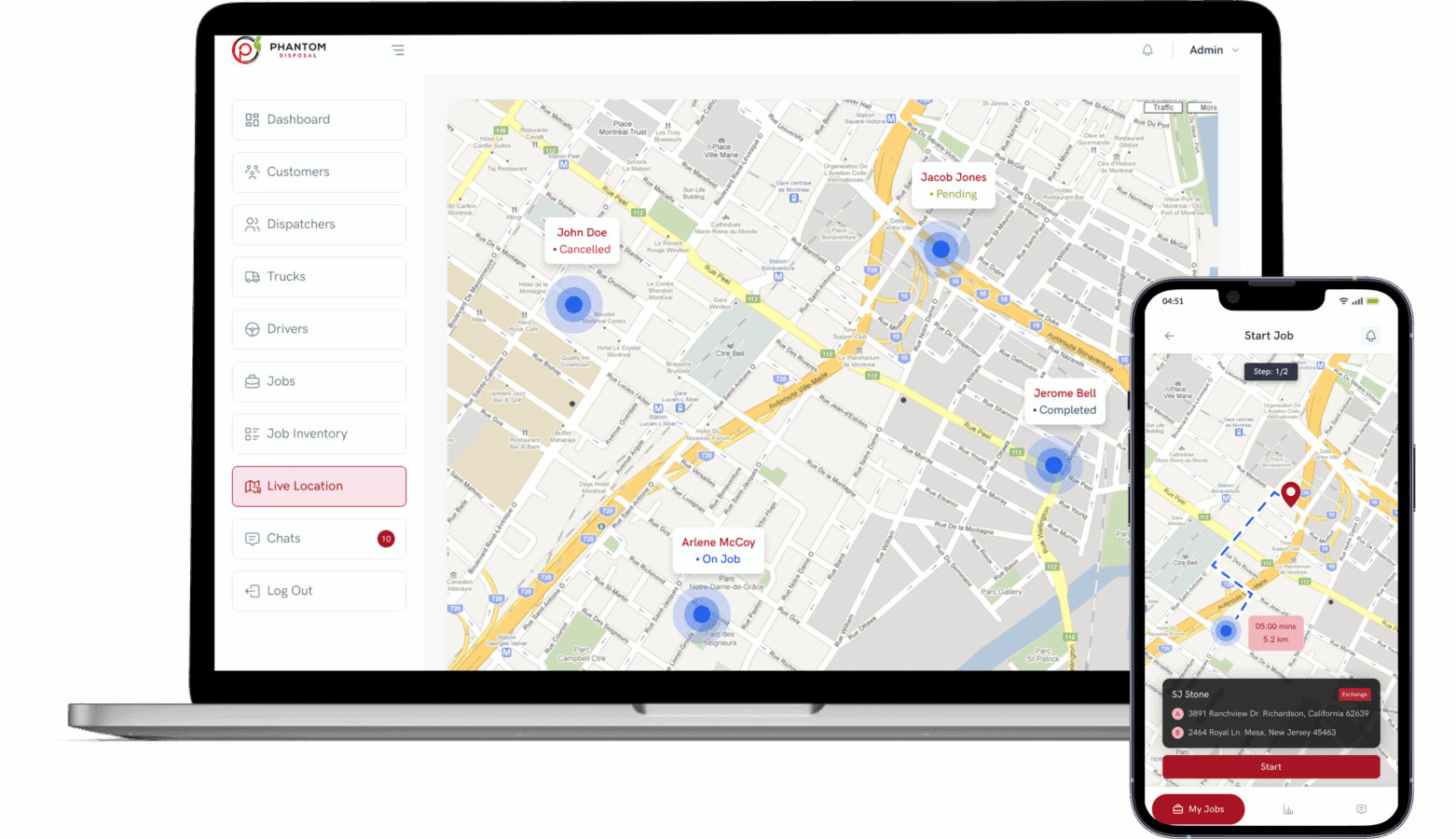

iOS Application

Web Application

Android Application
A Fully Digitized Fleet Operations System
Key Outcomes
- Real-time fleet visibility through live GPS tracking
- Streamlined dispatch operations from creation to completion
- Reliable background tracking with minimal location gaps
- Automated attendance and reporting systems
- Centralized communication via in-app messaging
- Unified mobile deployment using a single React Native codebase
Client’s Testimonial
The new platform has given us the ability to communicate our services and values more effectively. It’s not just a website—it’s a reflection of who we are and where we’re going.
Related Case Studies
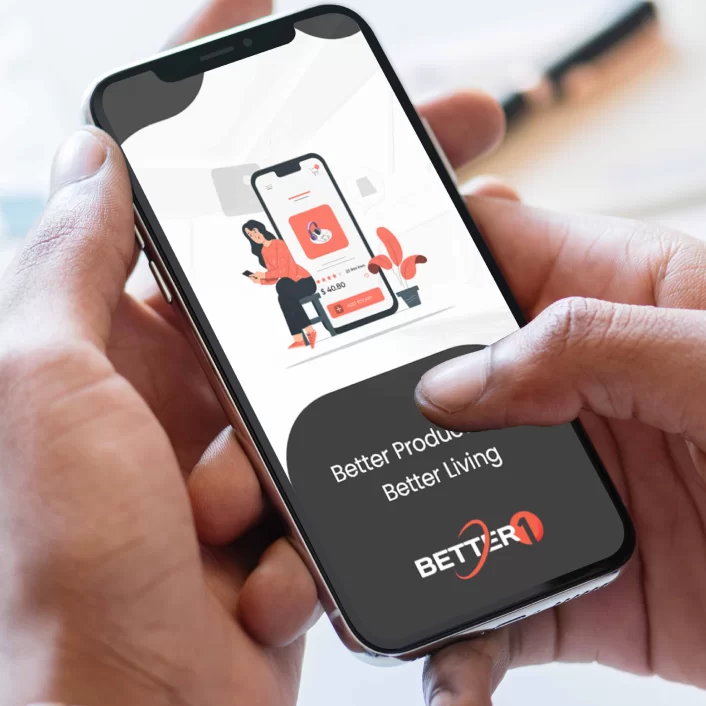
Better1 is an online outlet striving to deliver the right product to the right consumer. The concept behind Better1 is slackening the shopping experience by providing genuine reviews and videotaping instructional content related to the usability of a smart gadget.
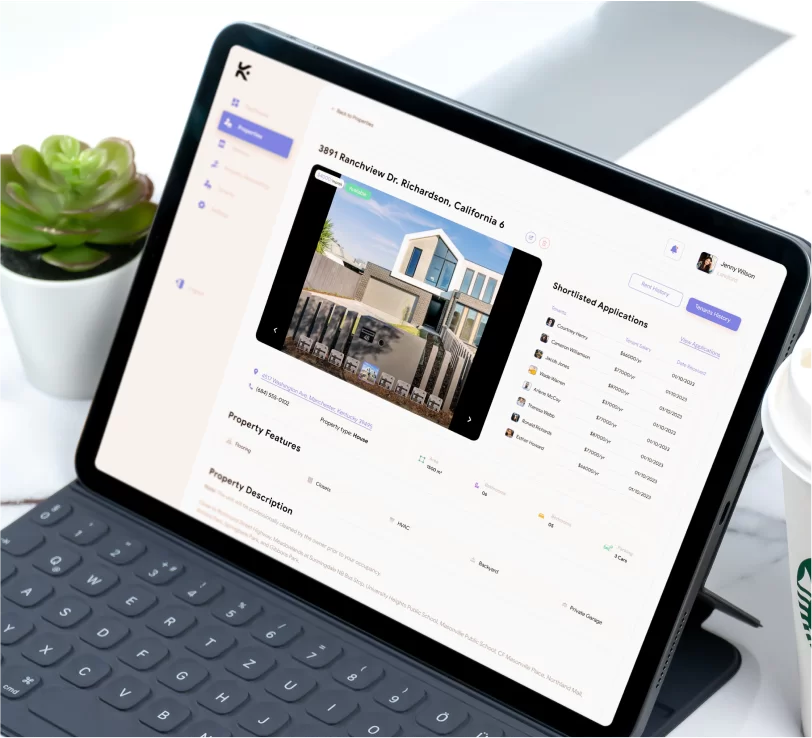
Karla Properties is a property management tool that offers a multi-portal approach to simplify the property management process.
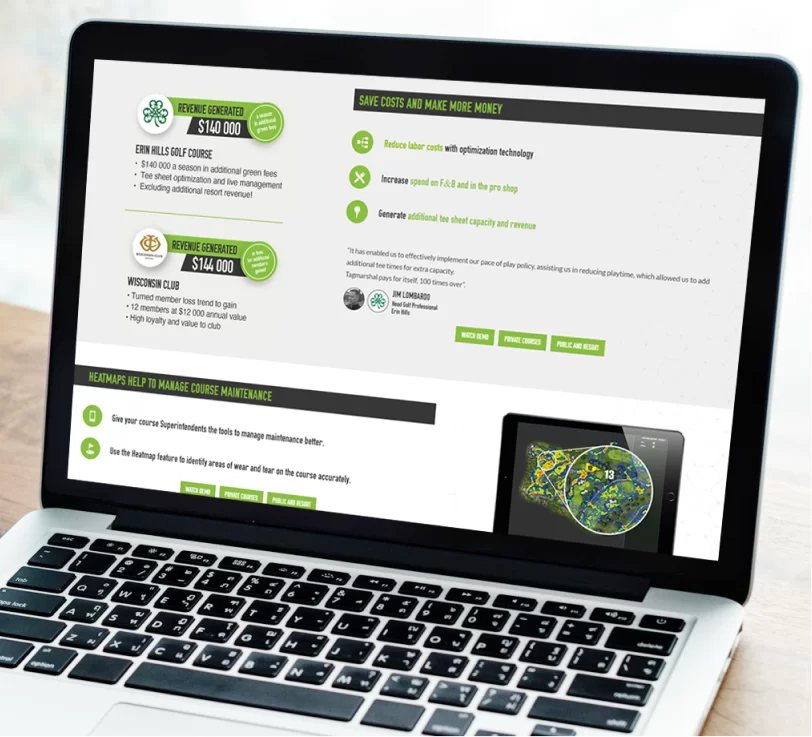
Tagmarshal is a golf course intelligence and pace-of-play management solution that leverages real-time data to optimize golf operations and enhance the overall golf experience for players.
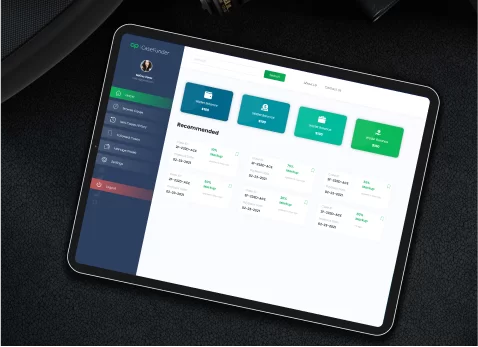
Case Funder is a platform that facilitates lending between anonymous borrowers and registered lenders. The platform integrates with the PIC portal to ensure the verification of borrower cases before lending.
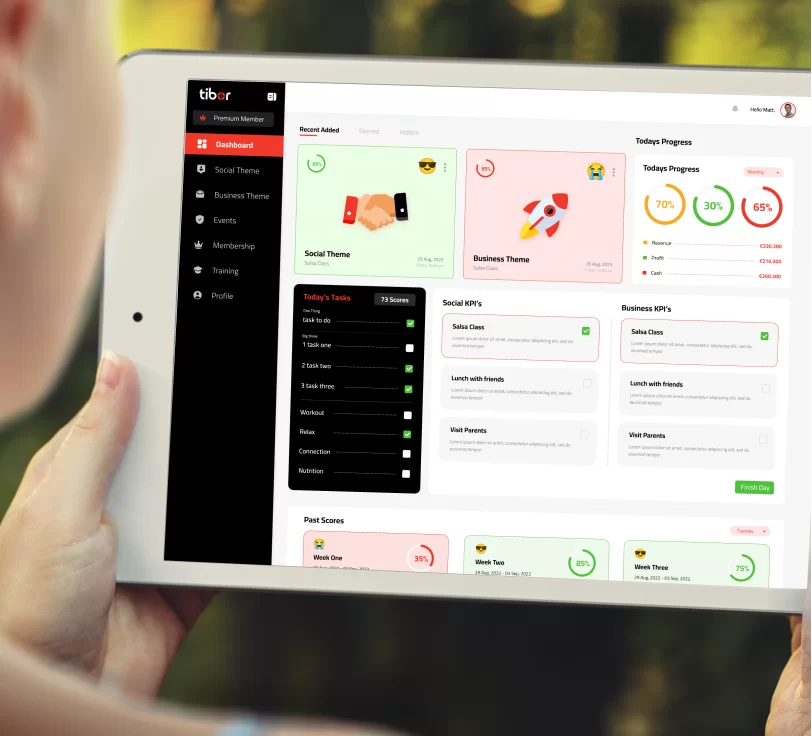
Tibor is a wellness app designed to support self-employed and small to medium-sized enterprises (SMEs) in achieving their personal and professional goals.

Experience the fusion of innovation and craftsmanship with a wide array of stunning designs to complement your style. Fika, built with WordPress and ReactJS, brings your imagination to life, turning your old walls into captivating works of art.
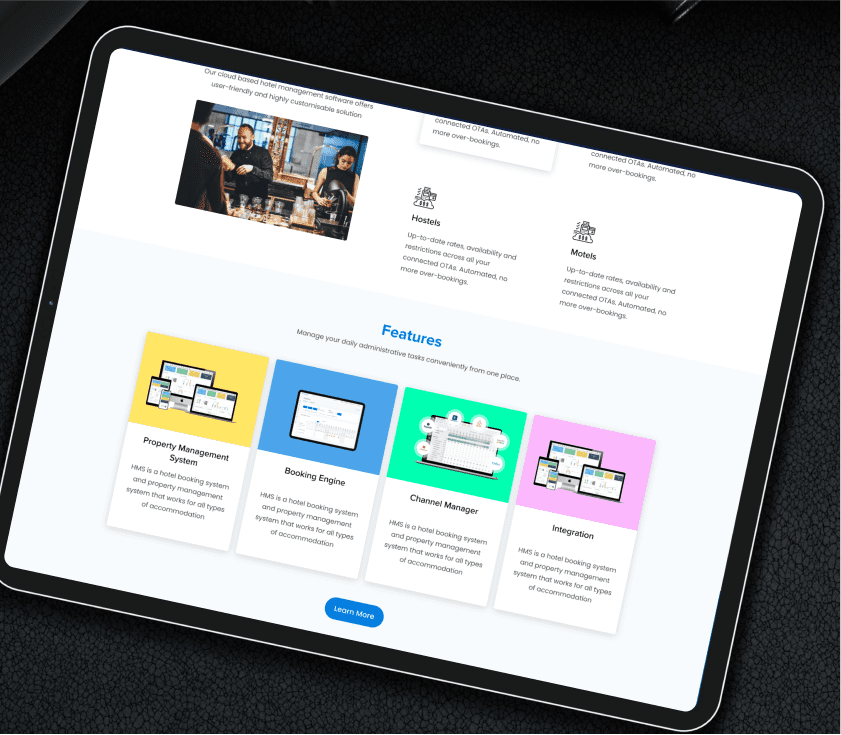
With Synshift, you can book reservations at affordable prices and even compare hotel rooms with competitors. From hotels to lodges and guesthouses, Synshift allows you to timely book any type of accommodation you desire.
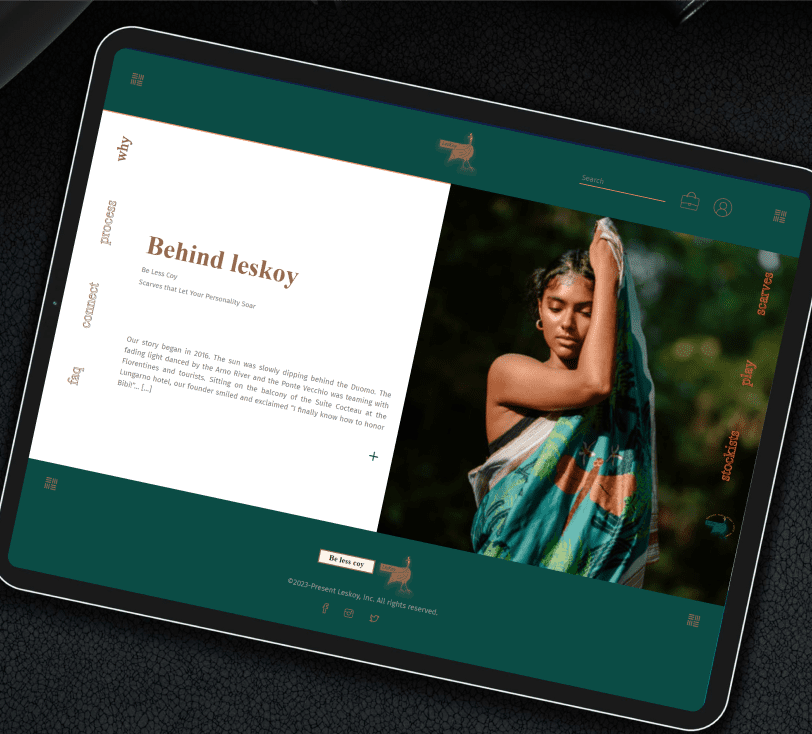
LesKoy is a unique platform that offers scarves inspired by the traditional East African culture, fusing contemporary fashion with Afro-Arab and American cultural heritage.
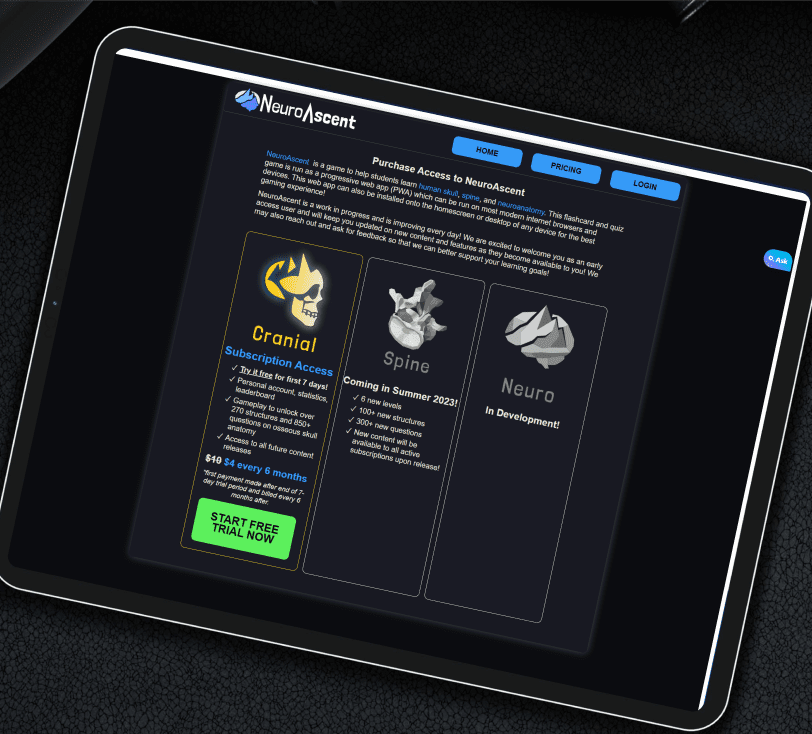
With a focus on delivering an immersive learning experience, our web app is built using cutting-edge technologies such as ReactJS and Three.js, providing interactive 3D visualization of the anatomy.
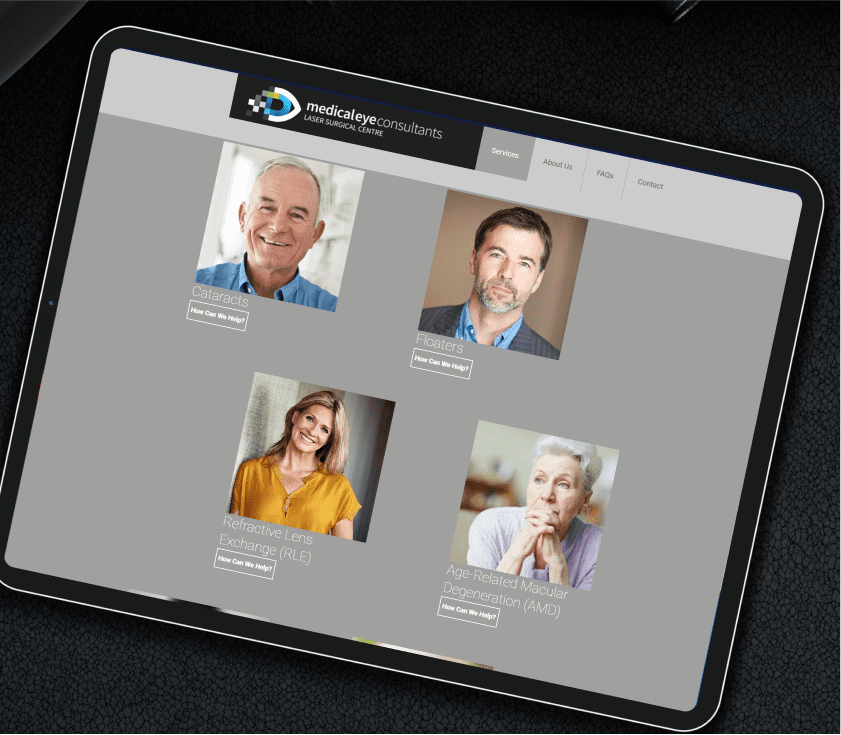
The MedicalEye platform facilitates seamless connections to expand your reach and navigate the changing medical landscape. Built with the dynamic MERN stack, MedicalEye helps you find the right partners to offset rising costs and achieve your goals in the medical industry.
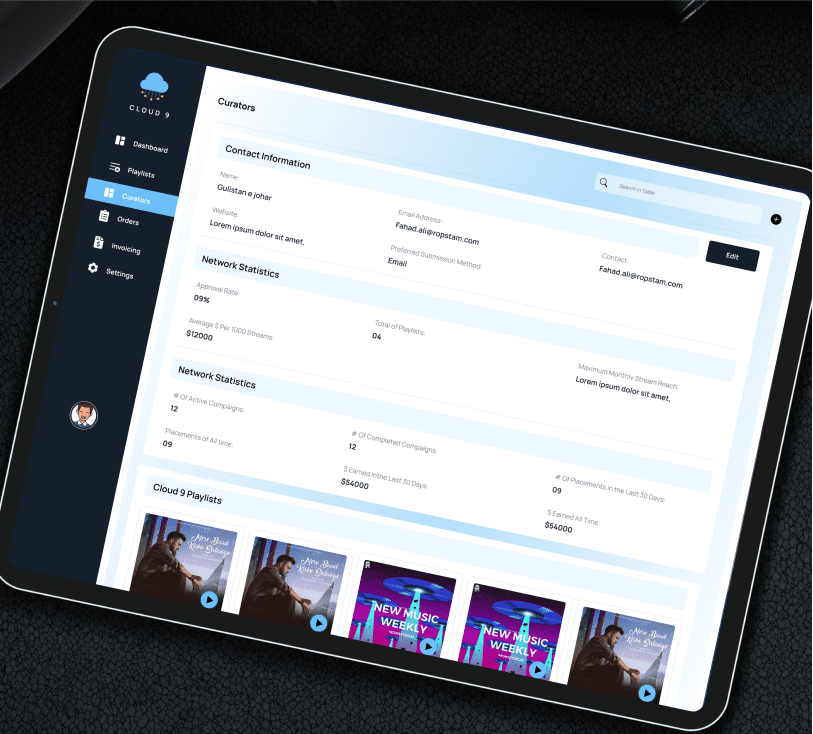
Built with MERN stack, this app allows users to create and manage playlists to enhance their Spotify music experience. With Cloud 9, users have the option to play their tracks multiple times to boost their streaming statistics.
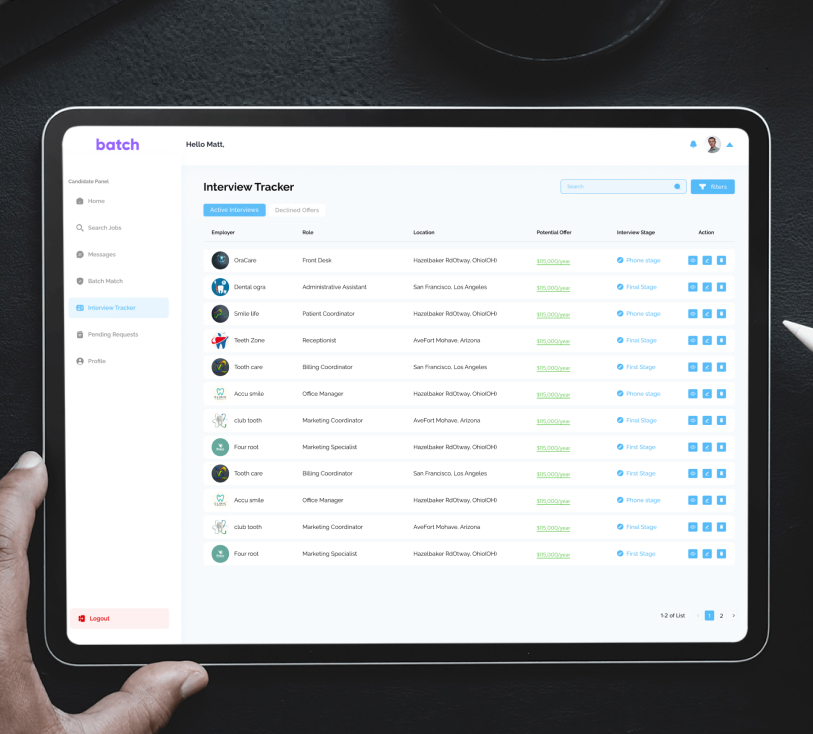
Dental Batch is a MERN Stack-powered platform designed to revolutionize dental recruitment. It serves as a bridge between dental clinics and dentists, providing a digital venue for job postings and applications. Clinics can advertise vacancies, while dentists can apply to their preferred workplaces.
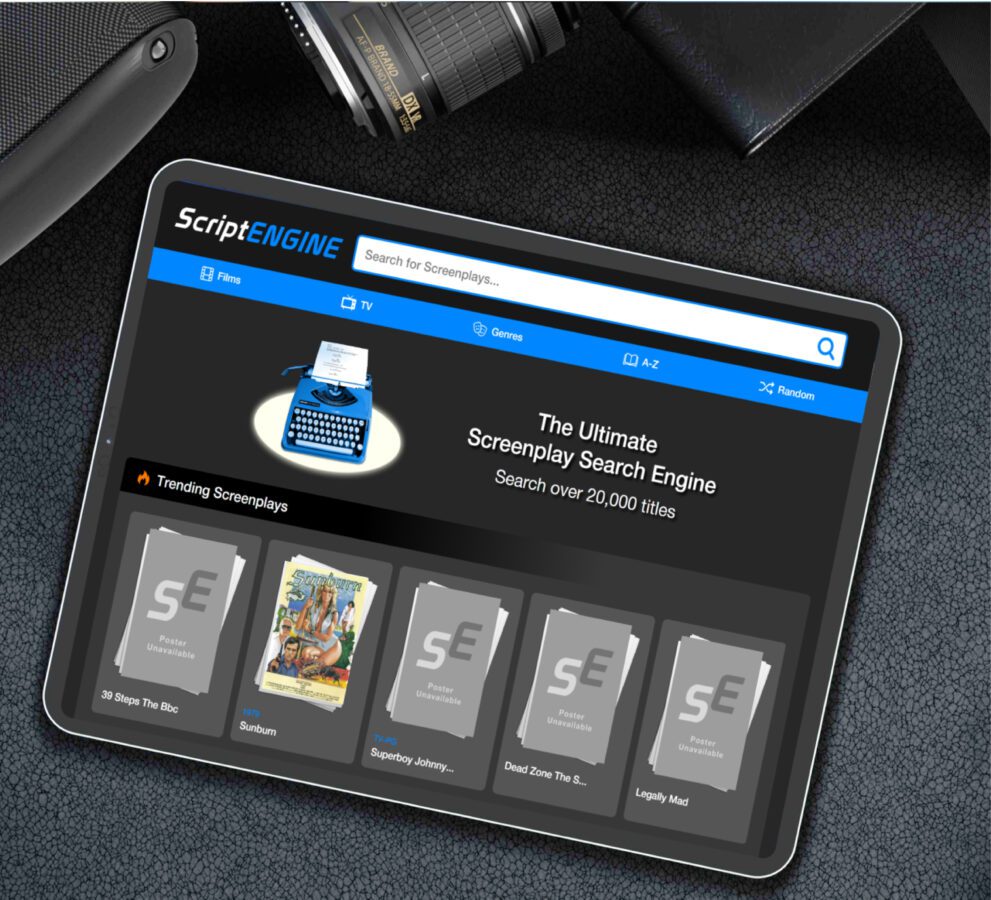
Developed primarily using React.js and Node.js, ScriptEngine is a one-of-its-kind platform to discover a wide range of movies and TV shows.
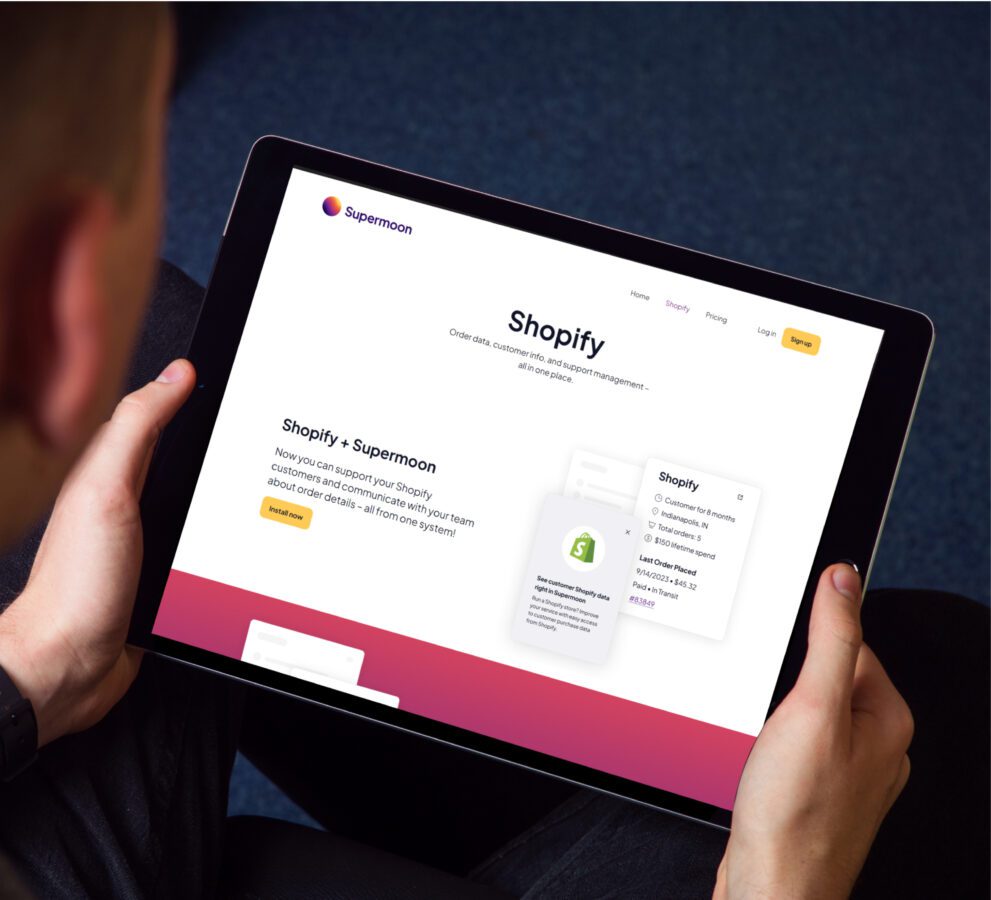
A sophisticated platform, GetSuperMoon is the solution to your problems if your inbox is cluttered and you are unable to get timely access to the relevant emails.
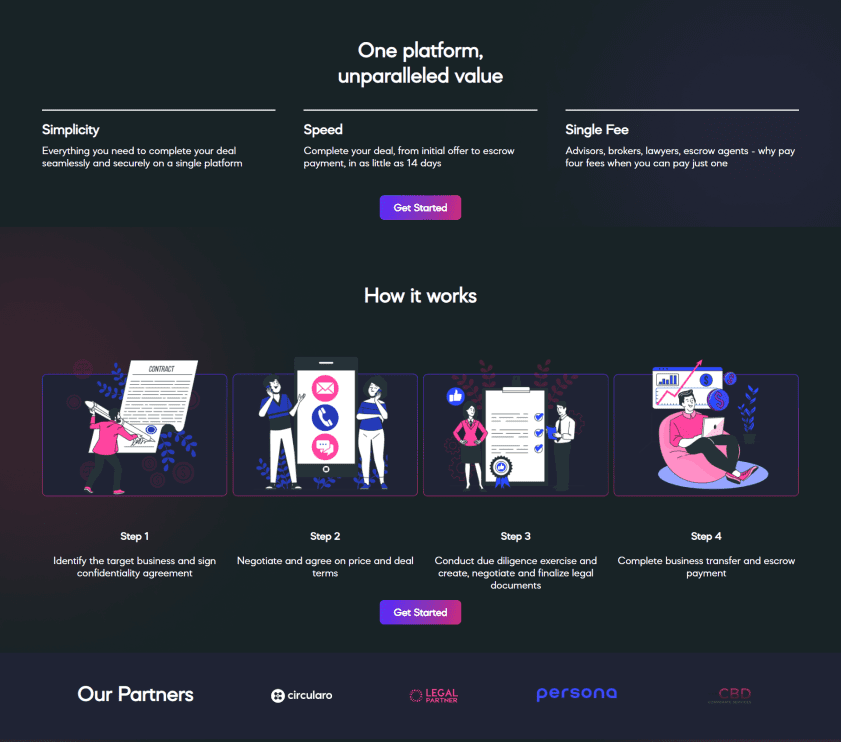
Developed using the MERN Stack, Bidzi is your one-stop solution for selling or buying all kinds of businesses. From creating listings to completing the acquisition and selling the ownership.
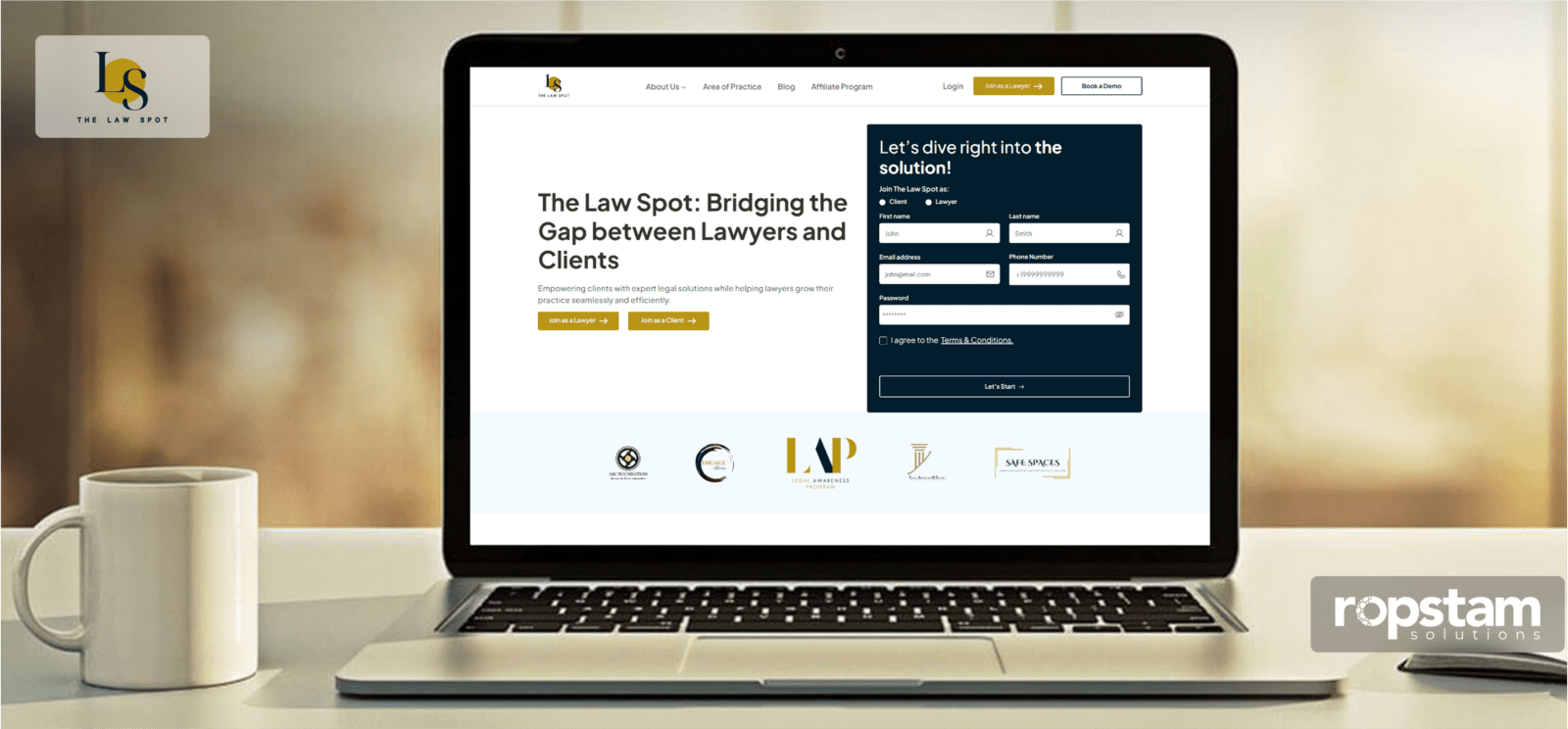
With The Law Spot, your perfect legal solution is just a click away. This innovative digital platform is equally beneficial for both clients and lawyers, and it helps bridge the gap between both parties. Forget about the hassle of seeking legal counsel via conventional means and embrace the power of The Law Spot.

When it comes to buying, selling, or bidding on unique items, you need a platform that is reliable, and easy to use. In this context, Auction Hub, a MERN Stack-based web application, is the answer to all your auction needs, providing a secure environment to connect with like-minded individuals and businesses.

HereApp is an educational service-based solution built on the MERN framework. It simplifies classroom operations with an intuitive dashboard and smart automation. The geo-tracking feature accurately monitors attendance using GPS to prevent proxies. Instructors can easily record attendance with a single tap. HereApp provides detailed attendance and student engagement analytics.
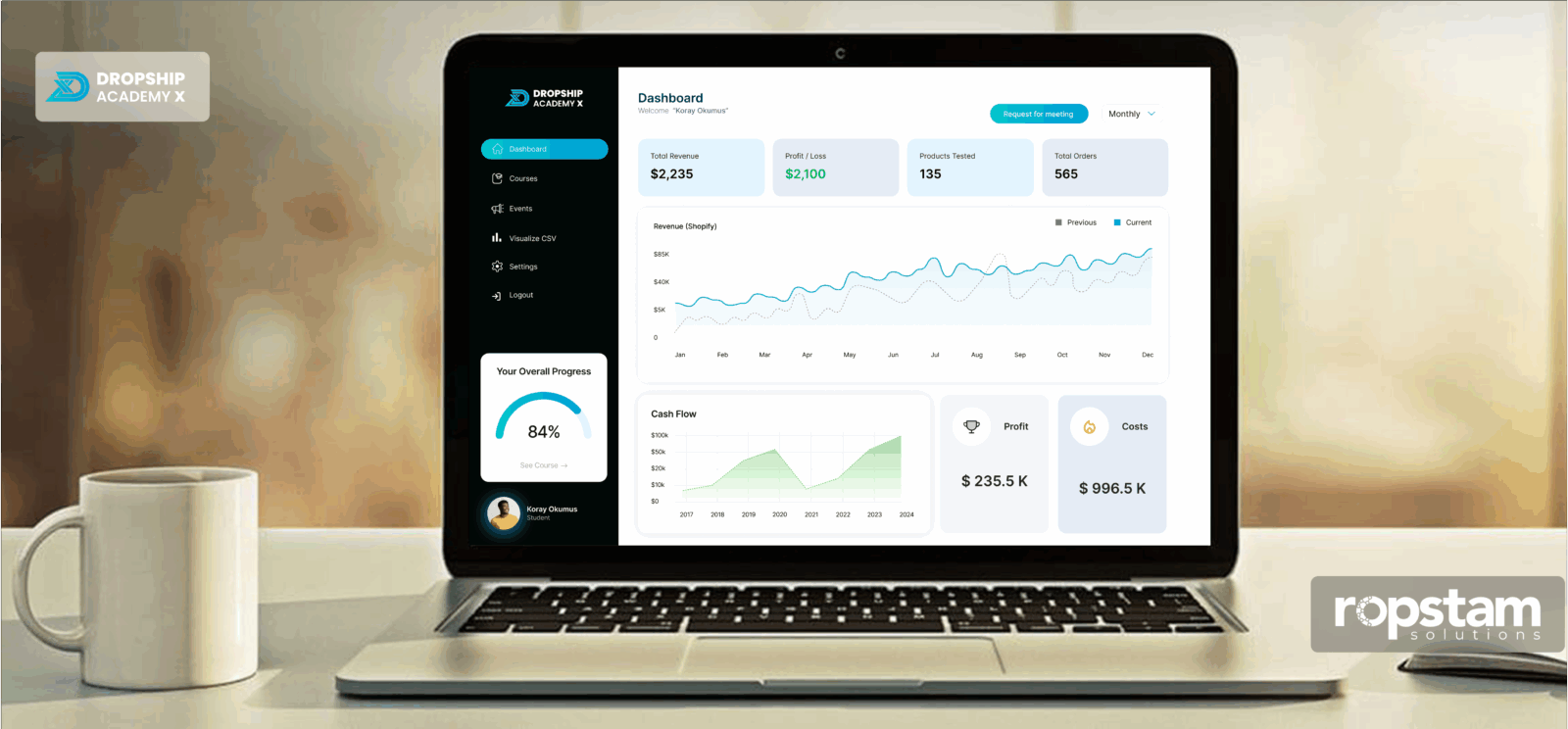
The Dropship Academy, built on the MERN framework, streamlines course management with an intuitive Administrator and Coach Dashboard, student progress tracking, and payment logs. From course creation to event scheduling, it offers seamless enrollment, real-time progress monitoring, and role-based access control for data security—advanced search, and learning experience empowering coaches and students.
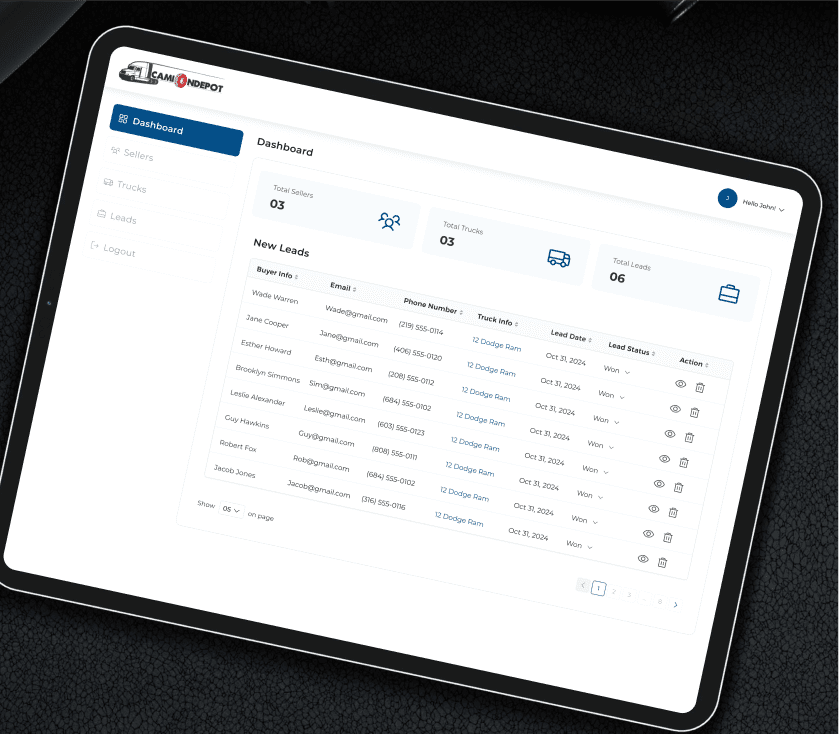
Camion Depot is a web platform built to help users easily find and finance American trucks by providing advanced filters for price range, location, make, and specifications. It streamlines the truck-buying process by allowing visitors to directly inquire about specific vehicles or explore financing options, connecting them with trusted sellers and lenders. Designed for efficiency and accessibility, Camion Depot aims to make finding the right truck simple, transparent, and reliable for buyers across the United States.
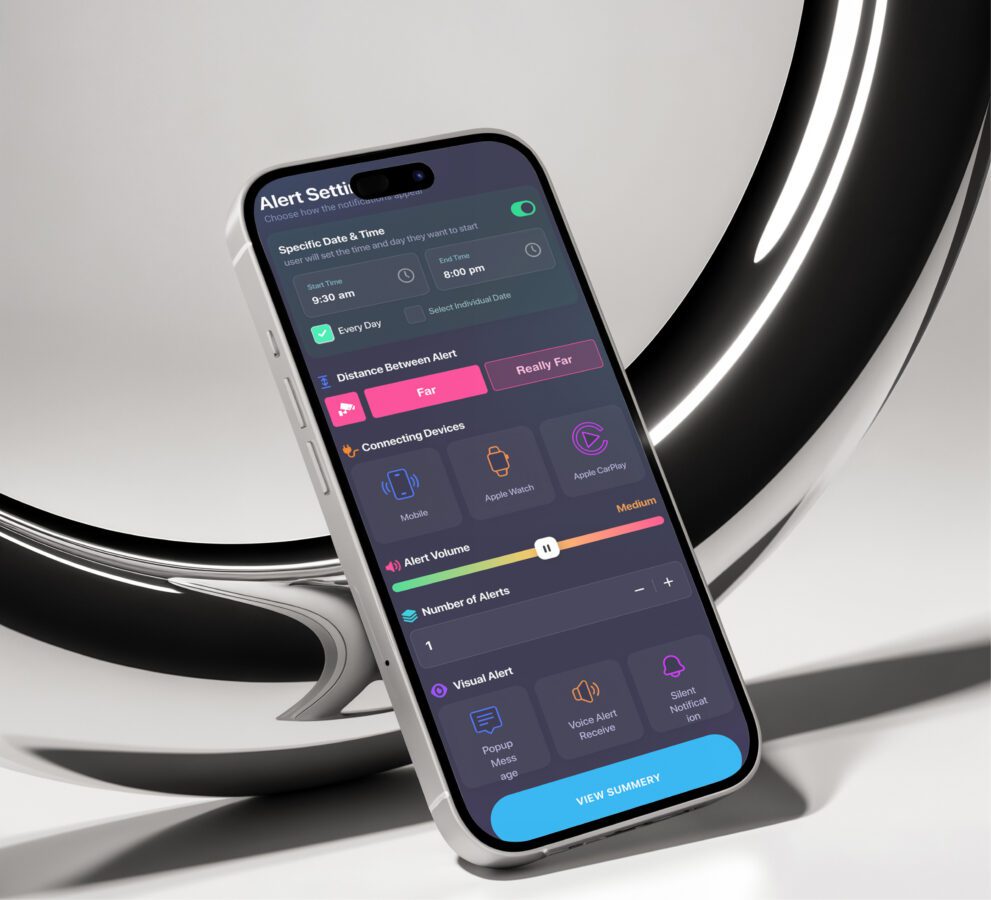
SLO is an innovative smart mobility and traffic awareness platform designed to empower drivers, help them track vehicle speed, and significantly reduce speeding violations and associated fines. By leveraging real-time data and predictive notifications, SLO fosters safer and more informed driving habits, directly addressing the significant financial burden of speeding tickets.
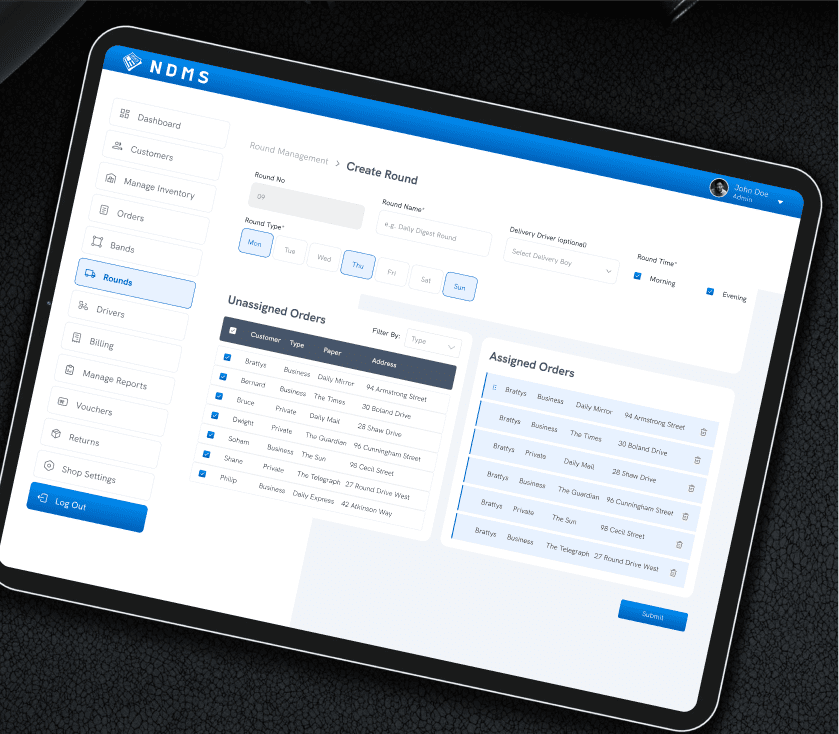
This project is an internal news delivery management system designed to streamline the entire operational workflow. It enables admins to efficiently create and manage inventory, process customer orders, track deliveries, and record payments all within a unified platform. The system enhances accuracy, transparency, and overall efficiency for daily news distribution operations.
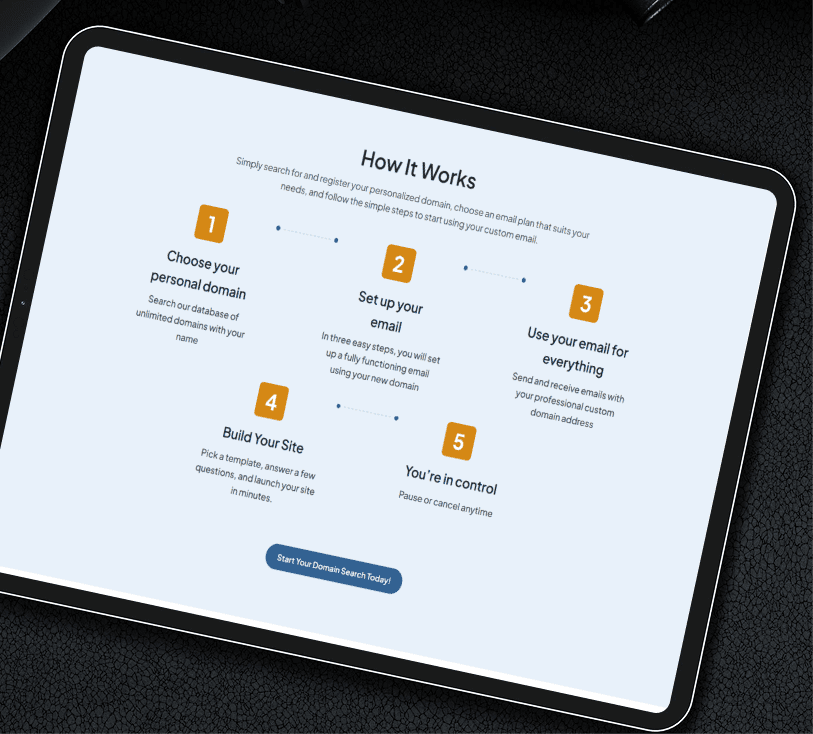
Custom Name Domain is a platform that helps users secure personalized domain names and create branded email addresses with automated setup, integrated billing, and simple domain management.
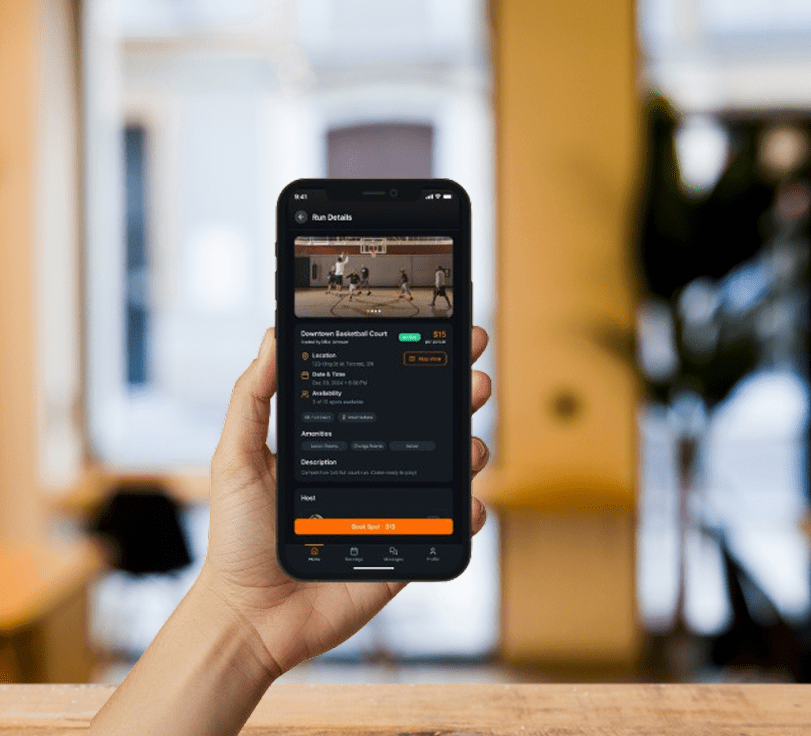
HoopFind is a Canadian sports technology platform created to modernize the way pickup basketball games, commonly known as “runs,” are discovered, scheduled, booked, and managed. Rather than depending on fragmented chats, manual payments, and inconsistent coordination, the platform brings the entire process into one streamlined digital experience.
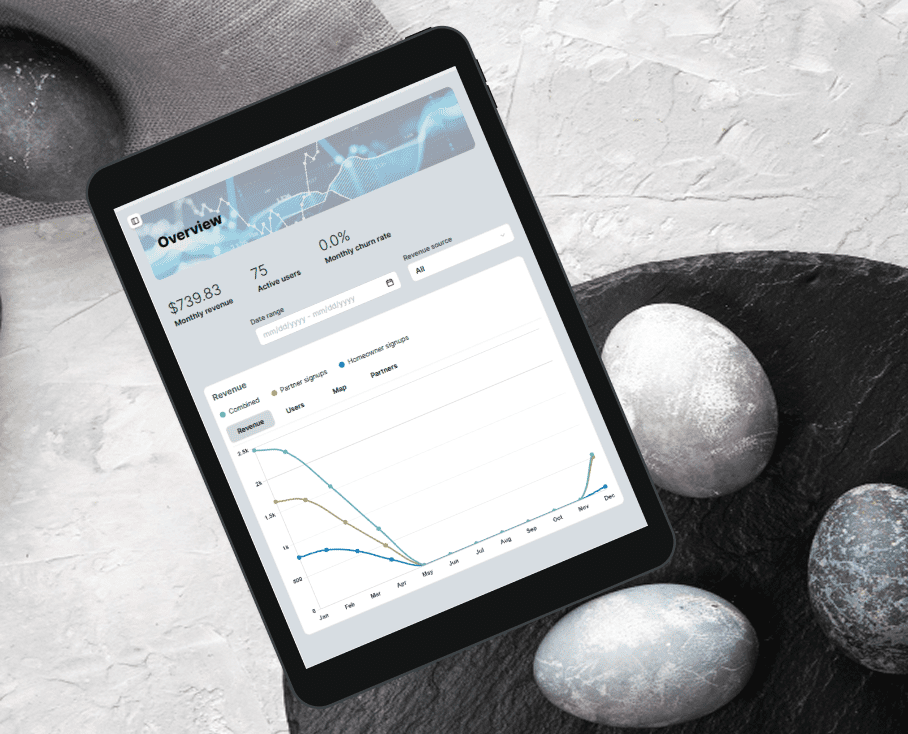
A full-stack web platform that helps homeowners, real estate agents, and insurance carriers collaboratively manage property maintenance, forecasting, and transfers powered by AI.
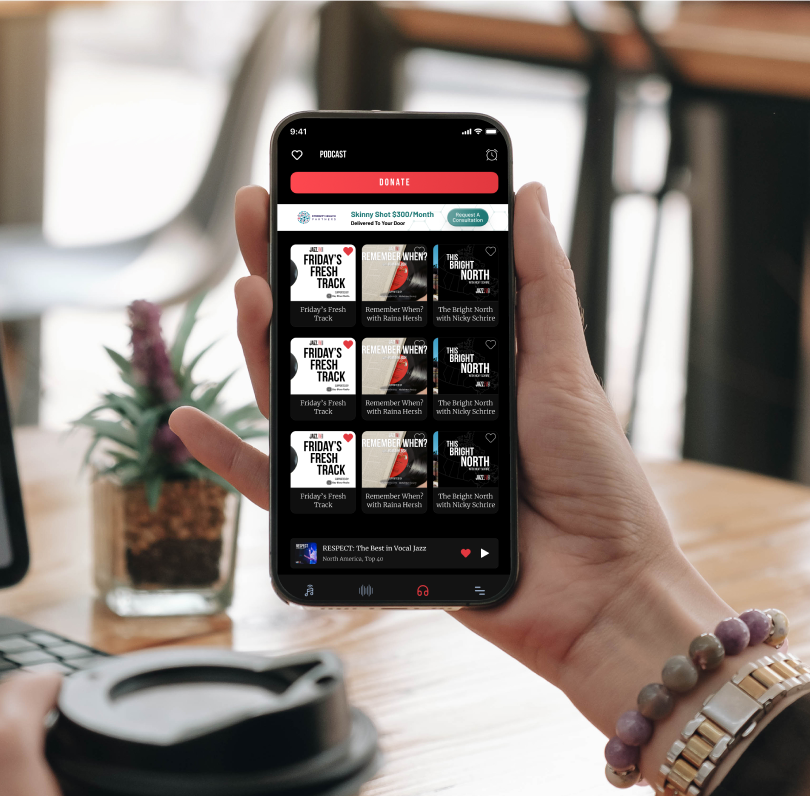
JAZZ.FM91 aimed to modernize its digital presence by delivering a seamless mobile experience for live radio streaming and on-demand podcast content. Ropstam partnered with the client to design and build a scalable, cross-platform mobile application that ensures uninterrupted playback, intuitive navigation, and a consistent listening experience across multiple touchpoints.
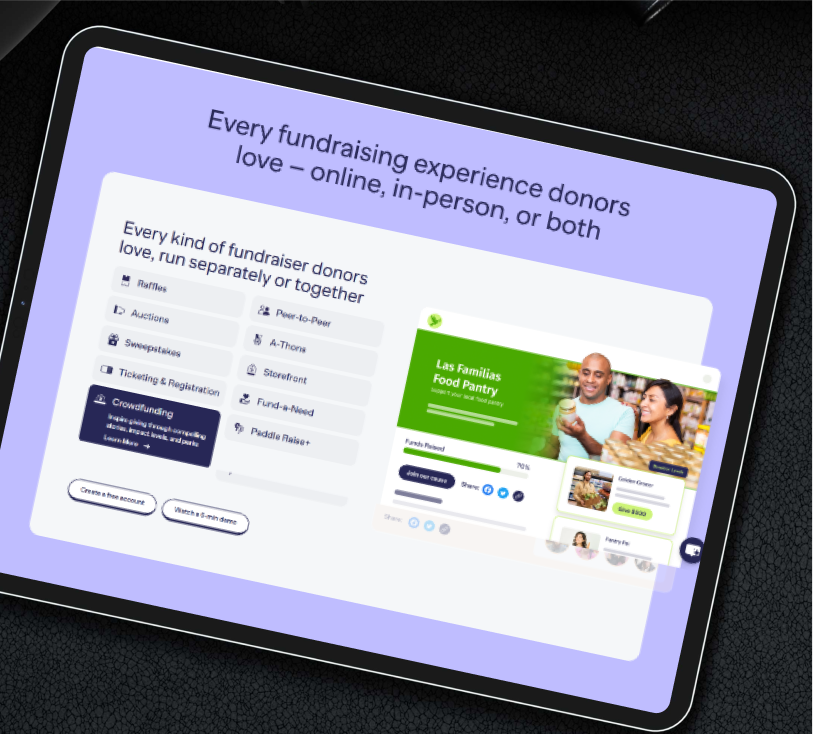
A scalable SaaS fundraising web platform that enables nonprofits to create, manage, and optimize multi-channel campaigns with real-time donations, analytics, and donor engagement tools.
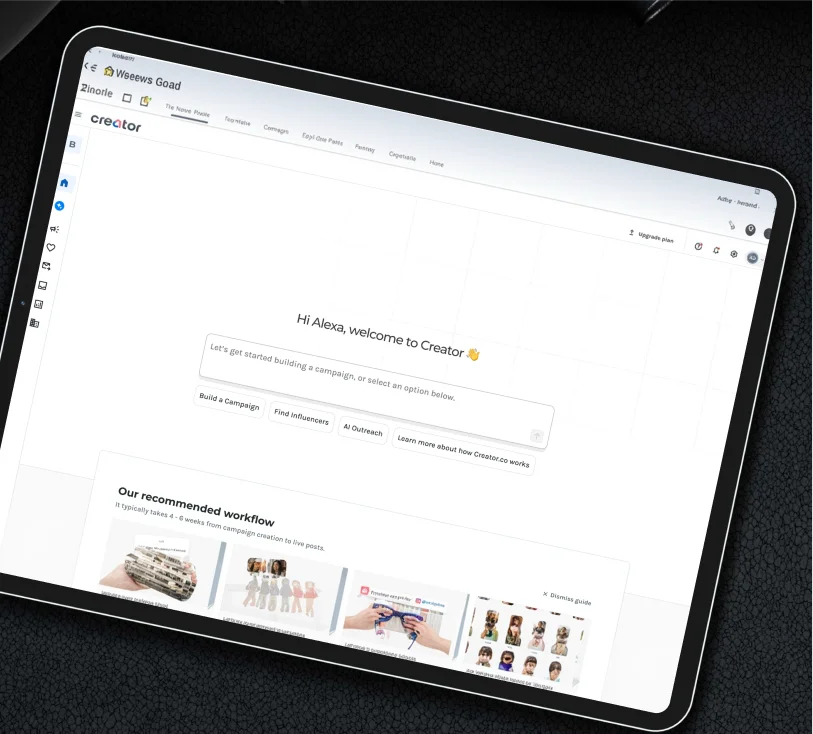
Creator.co continues helping brands scale influencer marketing and creator collaboration campaigns globally.
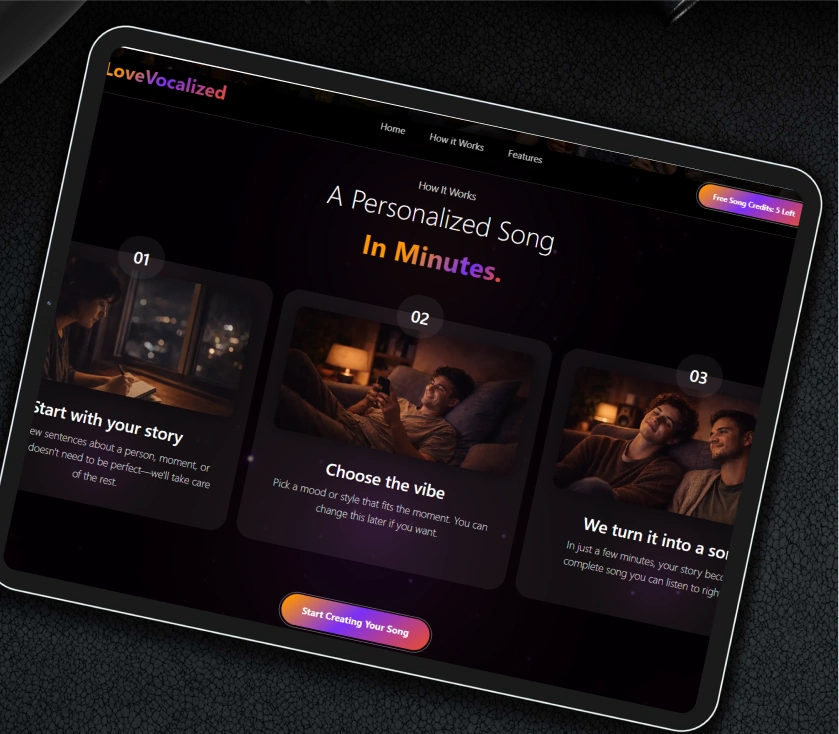
LoveVocalized is an AI-powered music platform that enables users to create and send personalized songs for life’s most meaningful moments through an intuitive digital web experience.
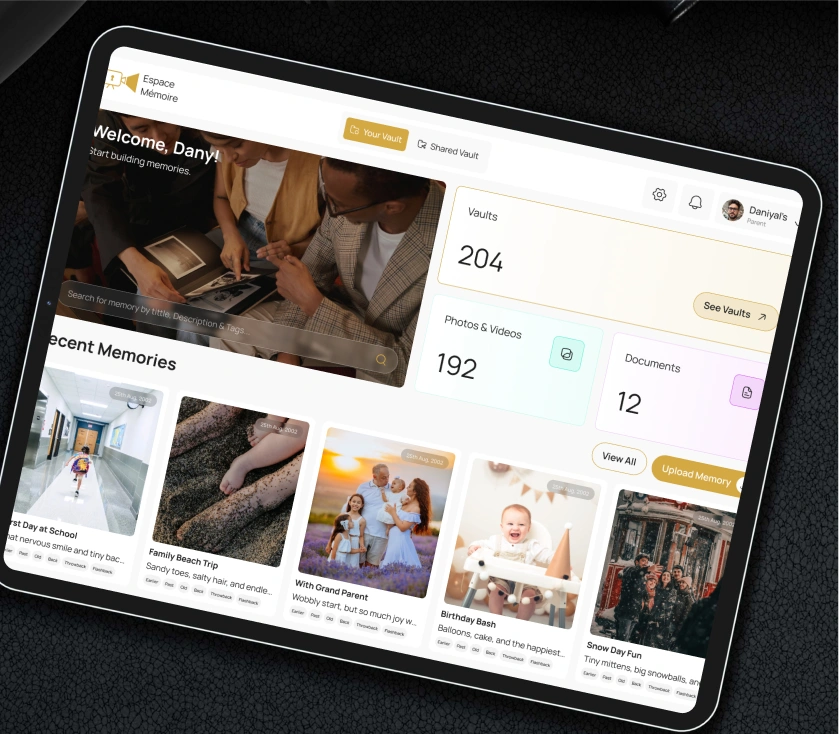
Espace Mémoire is a secure digital legacy platform that helps individuals and families preserve meaningful memories through secure storage and future sharing across web, iOS, and Android.
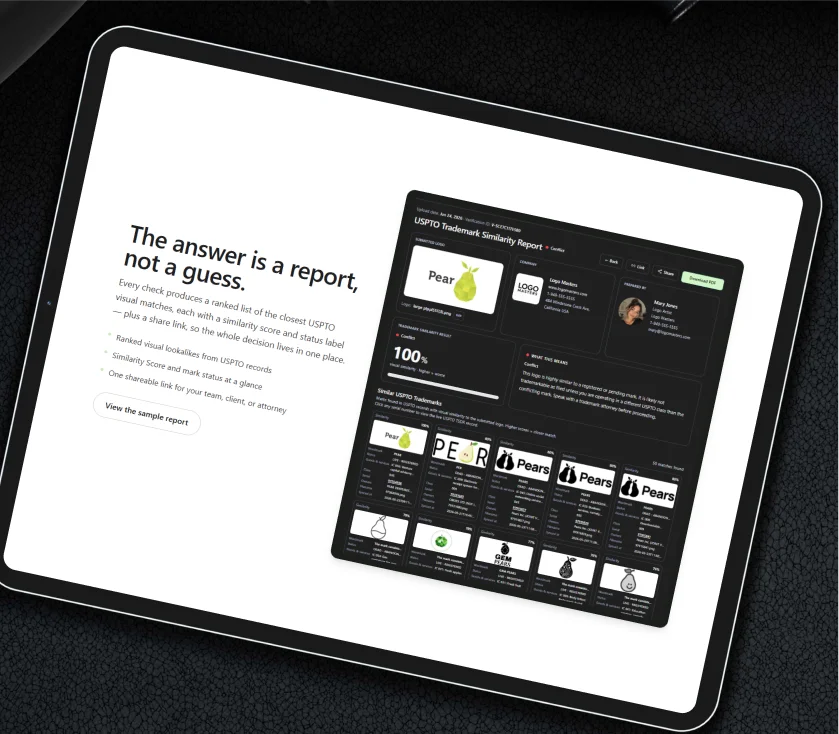
Geeo helps businesses validate logos and trademarks with AI-powered analysis and official USPTO data. The platform delivers fast similarity checks, originality reports, and trademark insights. Ropstam built a secure, scalable SaaS solution with billing, automation, and cloud infrastructure.

OGMA Investments provides a dedicated platform for horse management, ownership tracking, training updates, and private communication. Explore how its digital solution helps horse owners stay informed and connected with their trainers.